

2050+ (IT)
Scrap-Kammer: A Cabinet of Curiosities
12 juillet – 18 juillet 2026
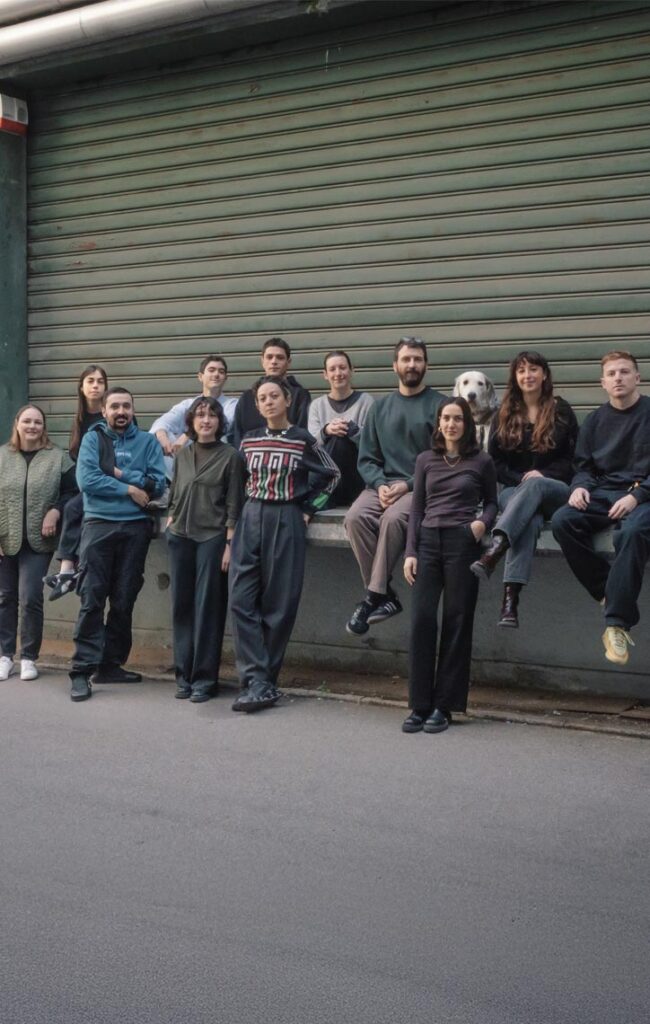
2050+ Italy
2050+ est un studio d’architecture basé à Milan, qui travaille à l’intersection de la technologie, de la politique et de l’environnement à travers des pratiques spatiales critiques. Fondé en 2020, le studio développe des projets en architecture, scénographie d’exposition et pratique curatoriale, tout en menant des recherches indépendantes portant sur l’image animée et l’écriture critique. 2050+ collabore également avec des marques de mode sur des installations temporaires, des événements spéciaux et des films, et intervient dans l’enseignement académique, notamment en dirigeant le cours ADS8 – Sport Stories au Royal College of Art à Londres.
www.2050.plus
Scrap-Kammer: A Cabinet of Curiosities
12 juillet – 18 juillet
Catégories d'atelier
L’atelier
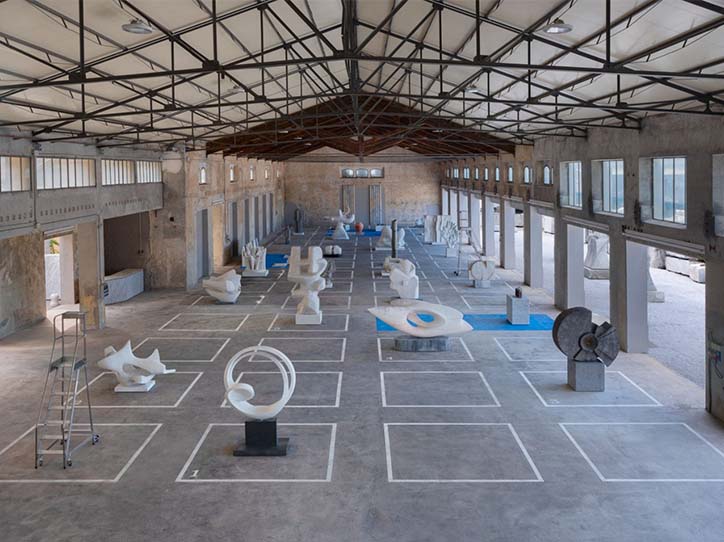
Les Wunderkammers, ces cabinets de curiosités excentriques apparus en Europe au XVIᵉ siècle, réunissant des collections encyclopédiques d’objets dont les frontières catégorielles restaient à définir peuvent être considérés comme certaines des premières matrices organisationnelles dans les pratiques de collection. En assemblant des objets hétérogènes selon une logique d’exposition partagée, elles ont établi des proto-systèmes d’archivage, de classification, de comparaison et de création de sens. Bien avant l’émergence des taxonomies modernes (sciences de l'organisation), de la muséographie, des bases de données ou des modèles computationnels, les Wunderkammers fonctionnaient comme des dispositifs pré-algorithmiques, où les règles d’ordre et de production de connaissance étaient dictées par la logique spatiale, la répétition, l’usage et l’erreur, plutôt que par un code formalisé.
Si l’on considère les choses sous cet angle, le Wunderkammer n’apparaît pas seulement comme un précurseur de la classification scientifique, mais comme un cadre spatial permettant des formes d’exposition algorithmiques : un dispositif dont l’ordre est continuellement remanié et reconfiguré à travers l’accumulation, la manipulation et la contingence.
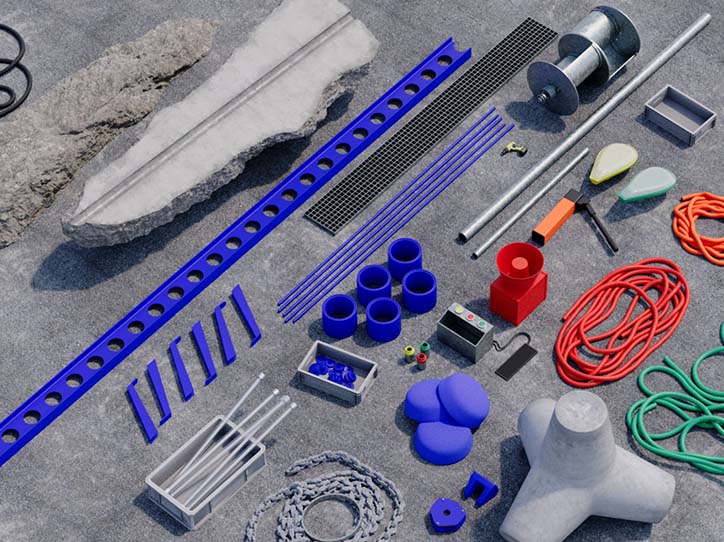
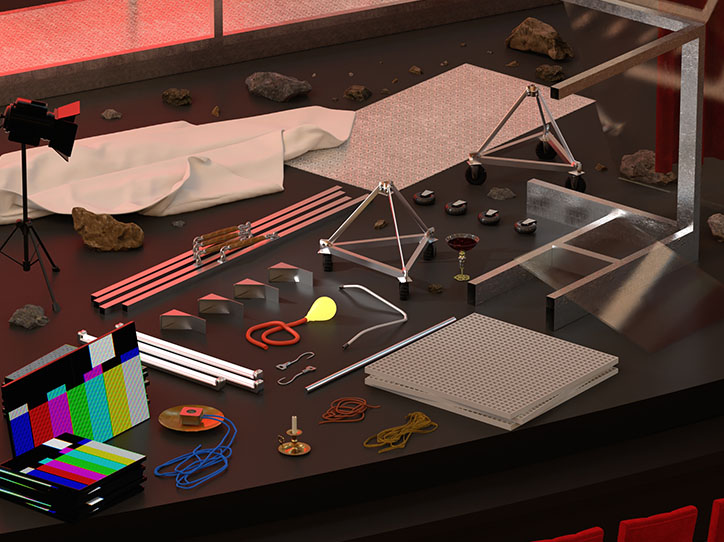
S’appuyant sur cette généalogie, le studio d’architecture 2050+ animera un atelier qui reconsidère le design algorithmique non comme une abstraction computationnelle, mais comme une pratique vivante et organique. Au cœur de l’atelier, les participants travailleront sur la taxonomie de la Scrap-Kammer, où les déchets ne sont pas considérés comme de simples rebuts mais comme des entités possédant une valeur matérielle intrinsèque. Ils exploreront, classifieront et expérimenteront ces fragments avant de construire le cadre ou la structure qui les accueillera, transformant les matériaux accumulés en une Wunderkammer contemporaine : une Scrap-Kammer.
Conçue comme un cabinet du rejet, hybride entre collection, archive et dispositif opératoire, cette installation collective rassemblera déchets, erreurs, restes, tests, maquettes, fragments et objets trouvés produits par les activités et pratiques en cours à Boisbuchet, transformant les sous-produits quotidiens de la fabrication en un lieu de découverte et d’expérimentation.
Ainsi, la Scrap-Kammer fonctionnera comme un système en boucle de rétroaction plutôt que comme un contenant statique : chaque nouvel élément intégré à la collection modifiera son ordre interne, sa logique spatiale et ses modes d’exposition, s’éloignant des paradigmes computationnels fixes. Le dispositif est conçu pour évoluer dans le temps, absorbant de nouveaux matériaux tout en renégociant continuellement sa propre structure.
L’atelier invitera donc les participants à envisager l’architecture comme un cadre opérationnel plutôt qu’un objet fini : un dispositif qui enregistre les processus, accueille les résidus et révèle l’intelligence de la fabrication. La structure fonctionnera à la fois comme archive et dispositif, mémoire et générateur, un index vivant de l’expérimentation collective au Domaine.