

Espace Aygo (BE)
Cadavre Exquis: How Things Stay Together
5 juillet – 11 juillet 2026

Espace Aygo Belgium
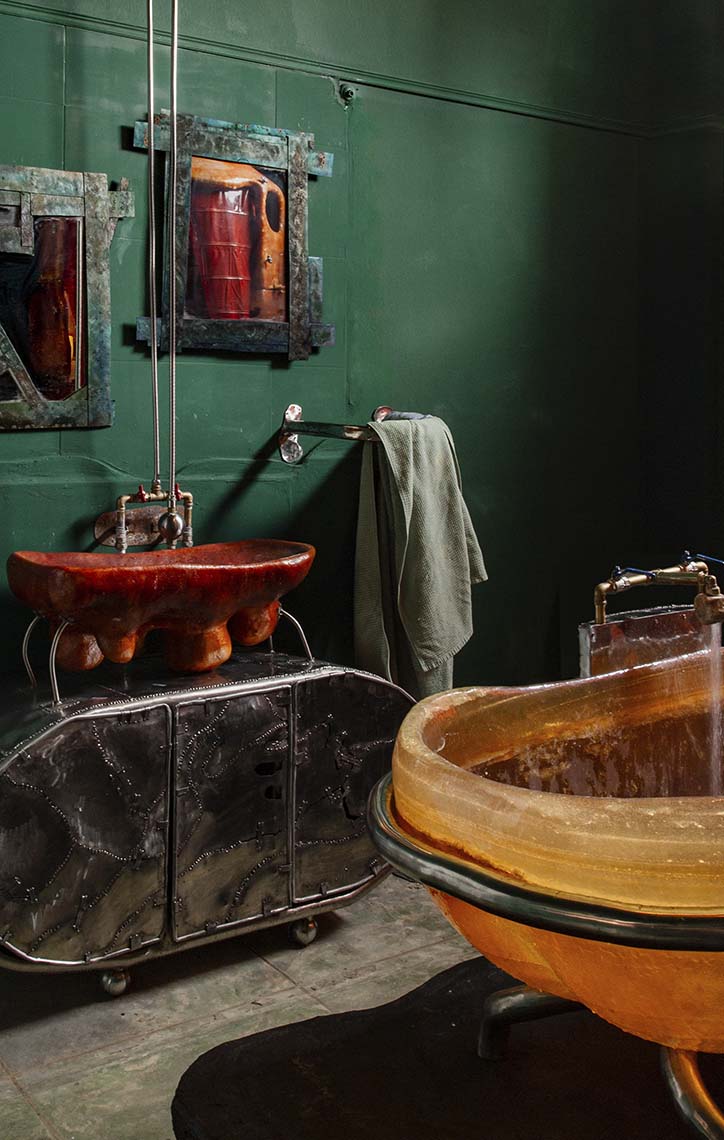
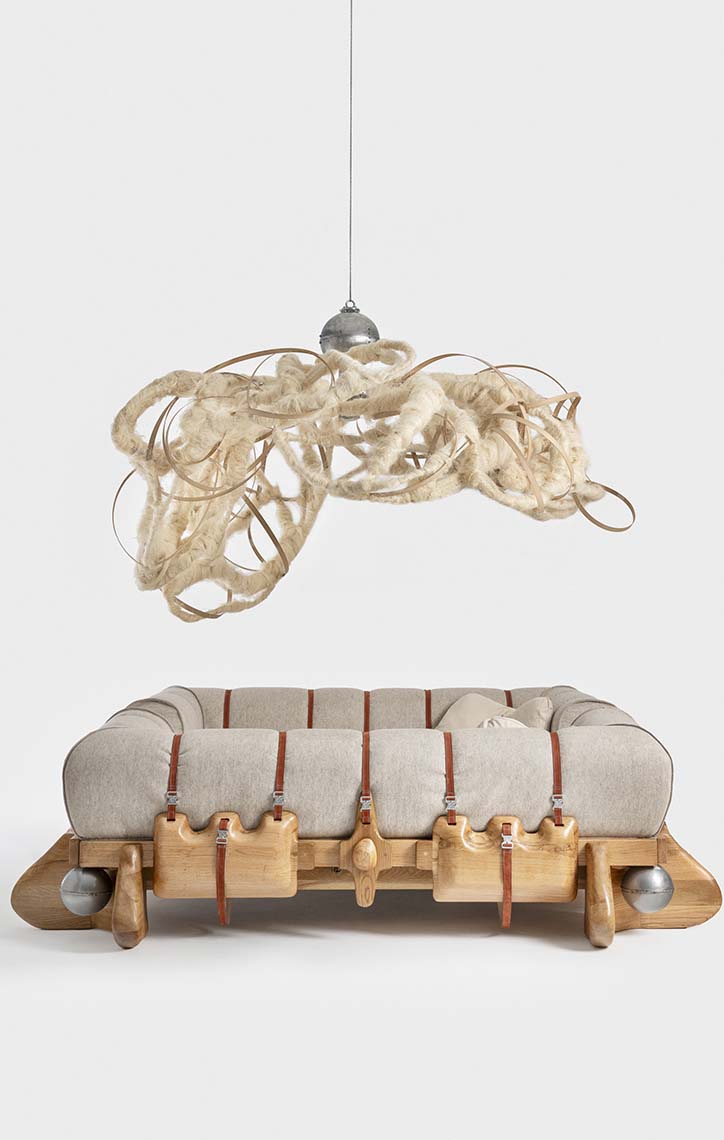
Espace Aygo est un collectif composé de quatre artistes et designers : Sijmen Vellekoop, Jaime Le Bleu, Line Murken et Salomé Sperling, dont la pratique se déploie comme une œuvre vivante : une expérimentation continue de la vie collective, du design et de l’espace. Travaillant au-delà des conventions d’un studio traditionnel, le collectif conçoit le design comme un processus partagé et incarné, où création, vie et réflexion coexistent.
Opérant à l’intersection du design, de l’architecture, de l’art et de la vie quotidienne, Espace Aygo produit des objets et des environnements à travers une approche collaborative et très pratique. Ils créent des œuvres qui dépassent la simple fonctionnalité, considérant les objets comme des agents capables de façonner les comportements, les perceptions et l’expérience spatiale. En dissolvant les frontières entre production et présentation, leur pratique positionne le collectif lui-même comme un organisme et le design comme un outil critique pour réimaginer la manière dont les environnements sont formés, habités et compris.
instagram.com/espaceaygo



Cadavre Exquis: How Things Stay Together
5 juillet – 11 juillet
Catégories d'atelier
L’atelier
Ce workshop explore le passage de l’individualité à la collectivité à travers le prisme du Cadavre Exquis. Initialement jeu de dessin surréaliste fondé sur une autoría compartida y una información parcial, esta méthode se traduit ici en une expérimentation spatiale et matérielle. Les participants s’interrogent sur la manière dont les idées émergent dans le dialogue avec les autres, et sur la transformation de l’auteuría, du contrôle et de l’ego dans les processus collaboratifs.
À travers une série d’exercices collectifs, l’expression individuelle se traduit progressivement en propositions tridimensionnelles. Le workshop aborde des thèmes tels que les rituels domestiques, l’habitat partagé, la narration matérielle et le rôle de l’individu au sein d’un cadre collectif. Le faire devient une manière de penser ensemble, où la réaction, la mésinterprétation et la négociation façonnent le résultat.
Le travail principal consiste à développer une pièce comme partie d’une maison modulaire fragmentée. Chaque participant conçoit un microcosme spatial personnel, nourri par ses propres expériences et conceptions de la domesticité. Bien que pensées de manière autonome, les pièces sont finalement assemblées en un seul bâtiment. Des couloirs relient les modules, à la fois sur le plan architectural et symbolique, en liant des identités distinctes en un ensemble collectif.