Audrey Large (FR) + Théophile Blandet (FR)
Liquid Dreams
5 juillet – 11 juillet 2026
Audrey Large France
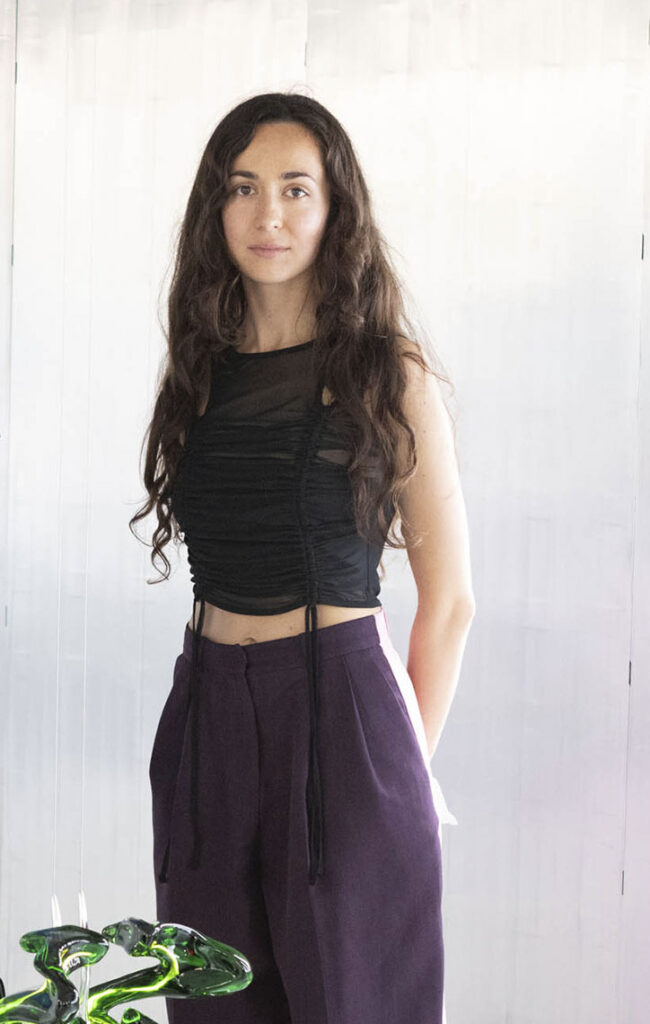
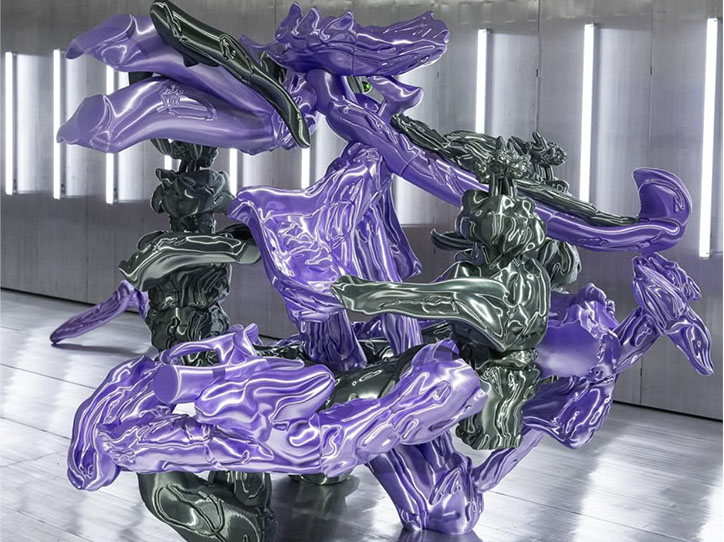
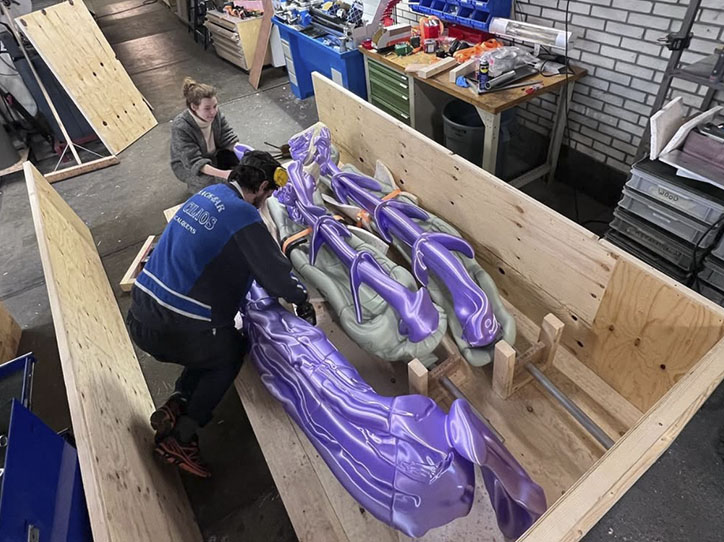
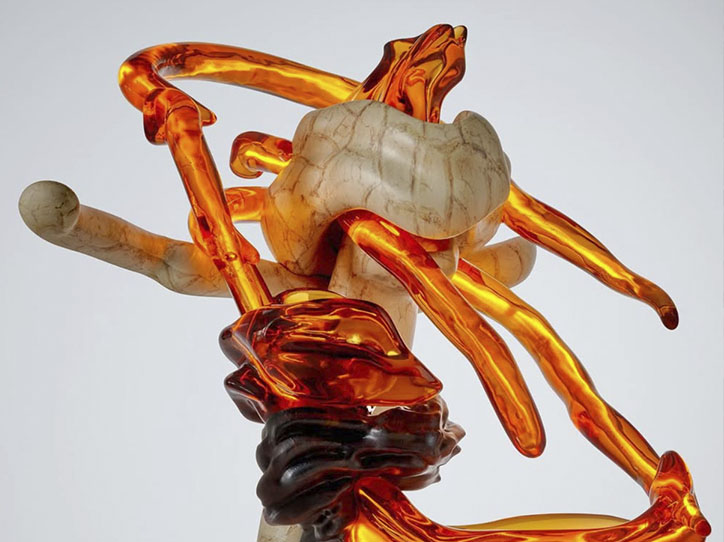
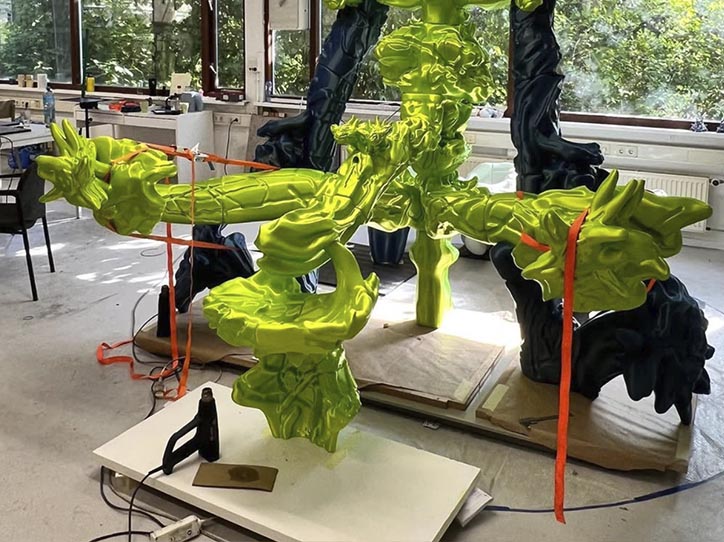
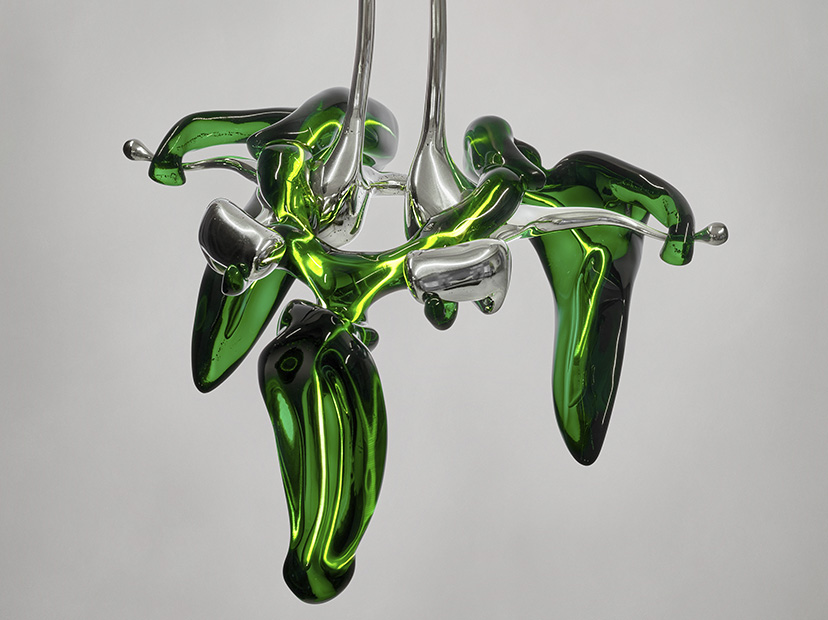
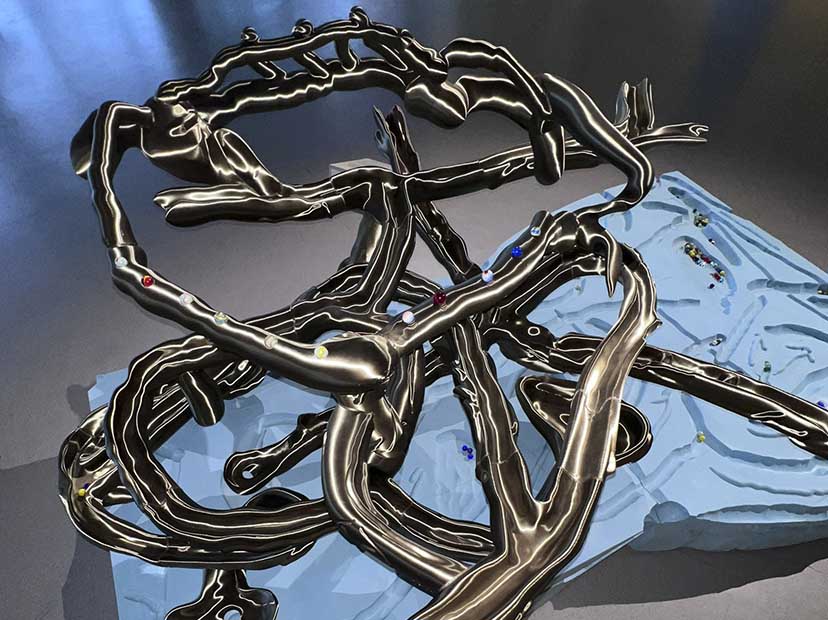
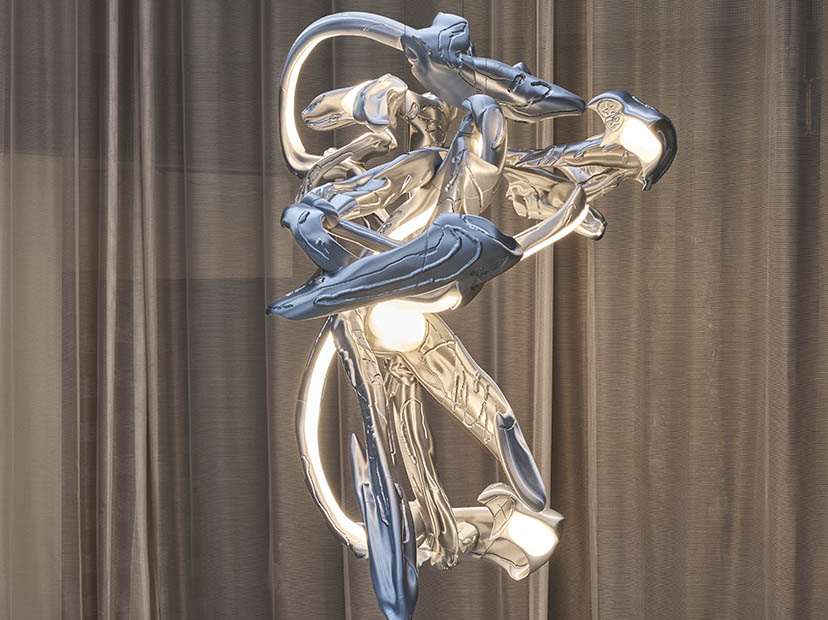
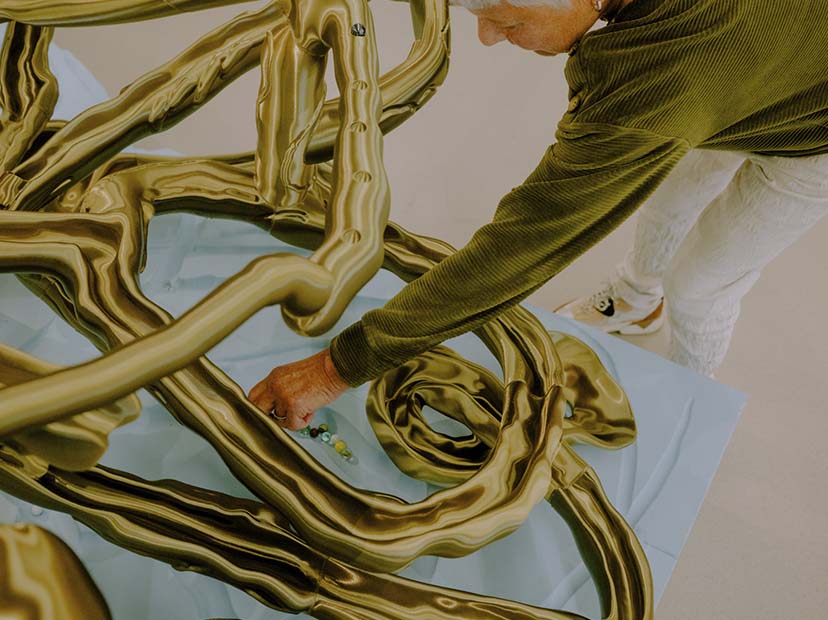
Audrey Large est une designer française basée aux Pays-Bas. Elle est diplômée de la Design Academy Eindhoven (MA Social Design) en 2017 et a été résidente à la Jan van Eyck Academie de 2019 à 2020. Située à la croisée de l’art et du design d’objets, sa pratique explore les processus de manipulation d’images numériques comme outils pour façonner notre environnement matériel. Dans un contexte de numérisation accélérée, elle développe une approche interdisciplinaire s’inspirant du cinéma numérique et de la théorie de l’image afin de repenser les méthodologies de design d’objets.
www.audreylarge.com
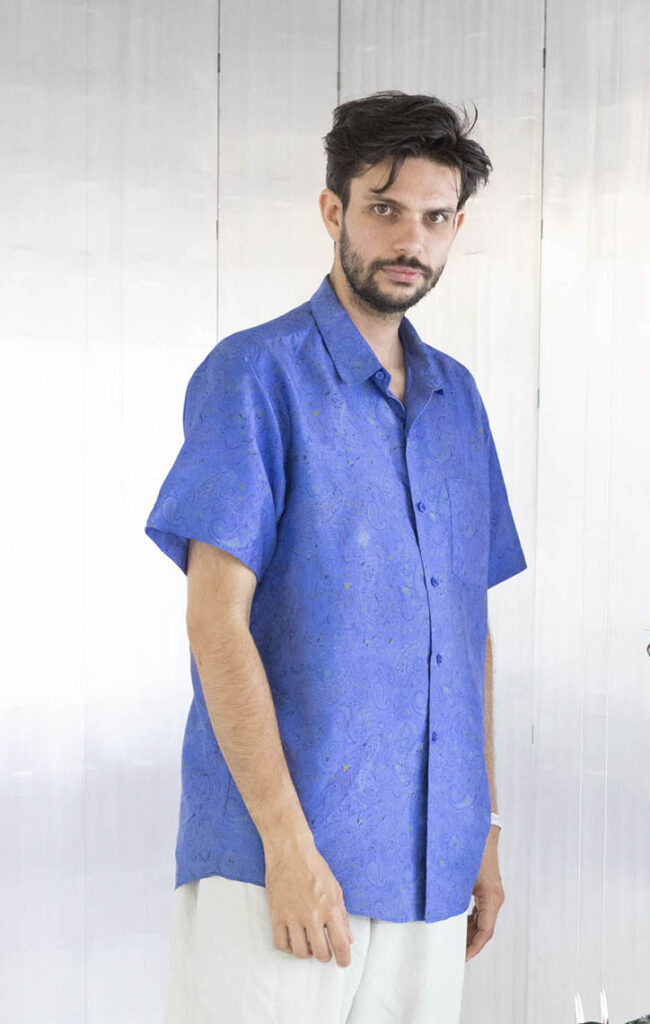
Théophile Blandet France
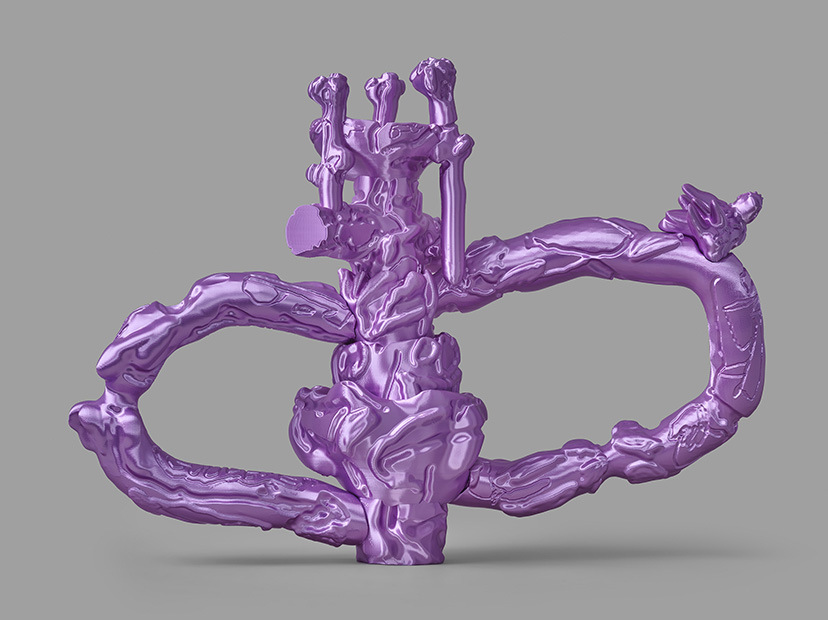
Théophile Blandet est un artiste et designer français basé à Rotterdam. Son travail a récemment été exposé au Design Museum Gent, au Design Museum Den Bosch, au Frac Île-de-France, à la K11 Art Foundation en Chine, ainsi que dans une exposition duo au Centre d’Art Contemporain Genève. Il est cofondateur de Morph (créé en 2018), un collectif aux multiples facettes qui développe des environnements construits, des installations immersives et des concepts d’exposition.
theophileblandet.com
L’atelier
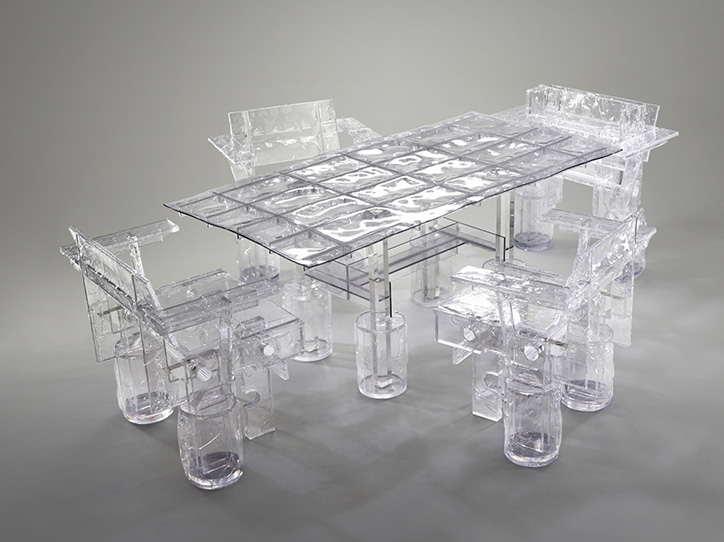
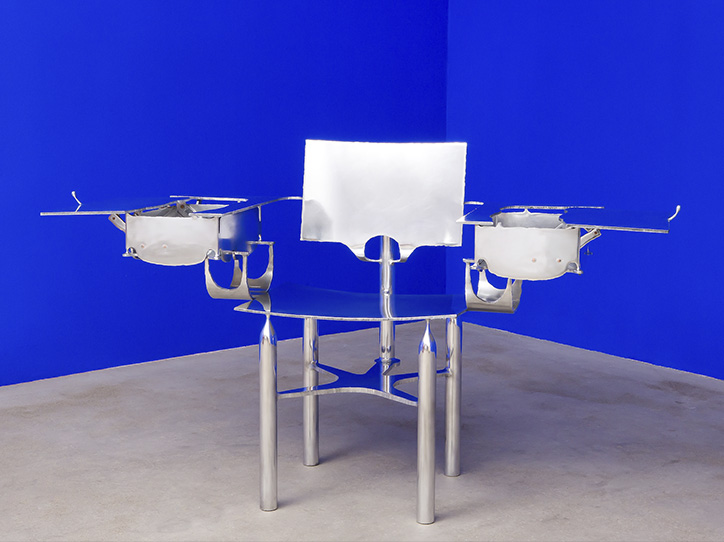
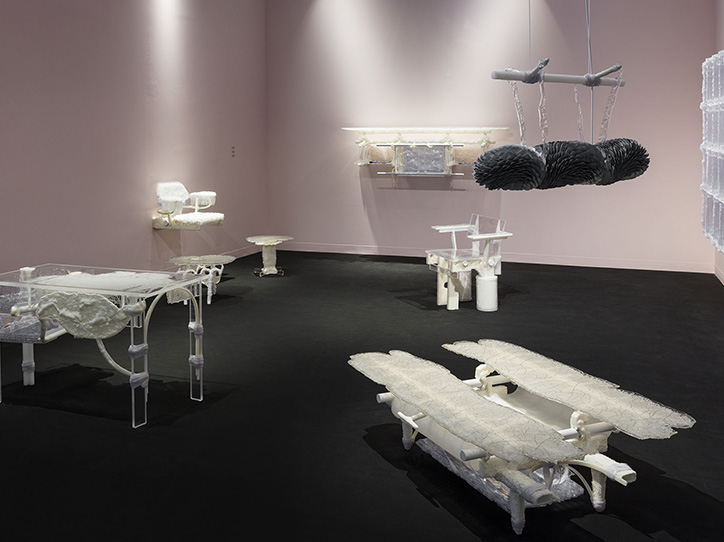
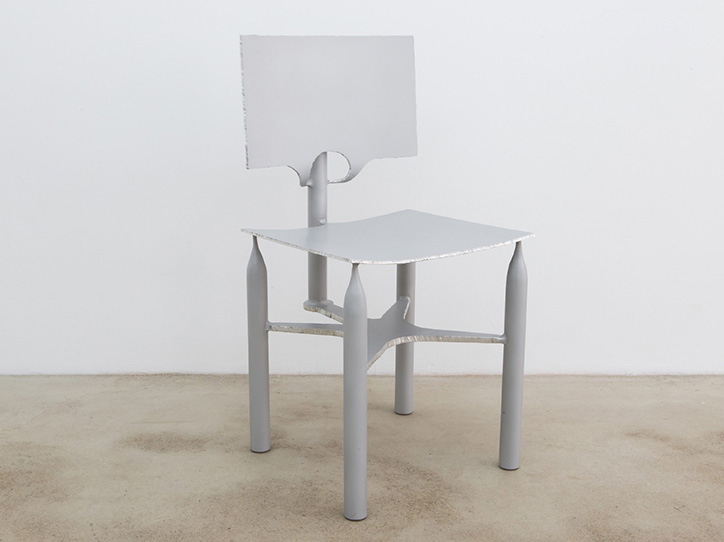
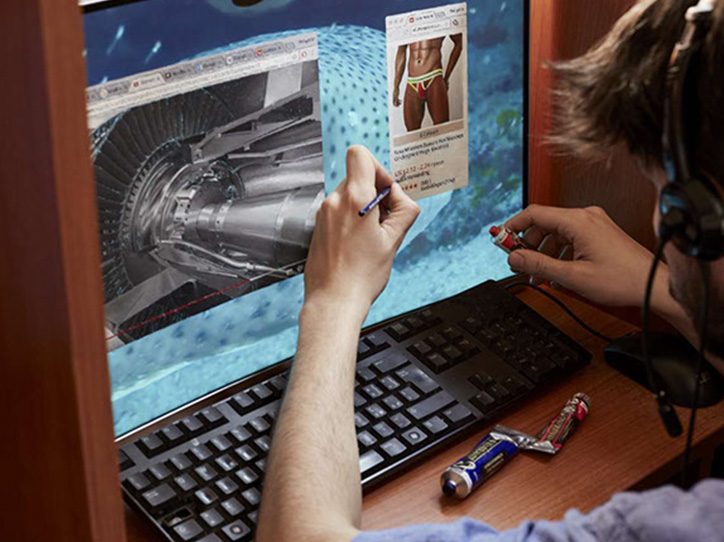
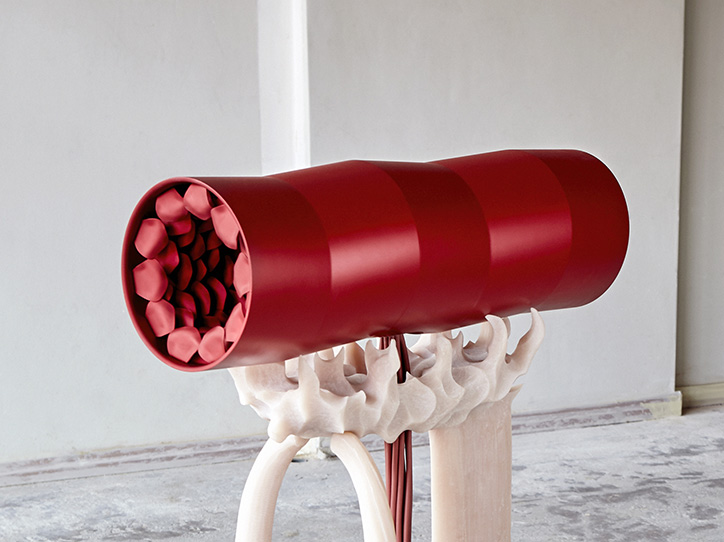
Cet atelier explore la relation entre les outils numériques et l’expérimentation matérielle manuelle. Dirigé par Audrey Large et Théophile Blandet, il réunit deux approches complémentaires : l’utilisation par Audrey Large d’images numériques et de processus computationnels pour générer des objets, et l’engagement direct de Théophile Blandet avec les matériaux, où structures et mécanismes émergent à travers la fabrication. L’atelier interroge la manière dont des forces apparemment opposées, numérique et manuel, naturel et artificiel, liquide et solide, peuvent se rencontrer au sein d’un même processus de conception.
L’atelier débutera par l’observation et la collecte de fragments issus de l’environnement de Boisbuchet, paysages, détails architecturaux, textures et objets trouvés, afin de constituer une bibliothèque de formes élémentaires. Les participants pourront choisir soit de collecter et transformer ces éléments via des techniques de capture numérique (notamment le scan 3D et la modélisation 3D), soit par manipulation physique directe.
La combinaison d’éléments numériques et physiques est encouragée, sans être imposée, dans un processus qui, plutôt que d’évoluer de manière linéaire de l’écran vers l’objet, prendra la forme d’un va-et-vient continu : les formes numériques inspireront des interventions manuelles, tandis que les expériences physiques viendront transformer les résultats générés par ordinateur.
L’atelier se conclura par la création d’éléments en aluminium coulé. Des moules seront développés à partir de ce processus hybride, puis utilisés pour produire des formes métalliques pouvant être combinées à des composants bruts issus directement du Domaine, résultant de l’imbrication d’approches en apparence opposées. Ce faisant, nous explorerons les tensions générées par l’entrelacement de forces contraires au sein des méthodes de conception, des matériaux et des formes.