

Jean-Baptiste Durand (FR)
Year 2300: Post-Fossil Futures
12 juillet – 18 juillet 2026
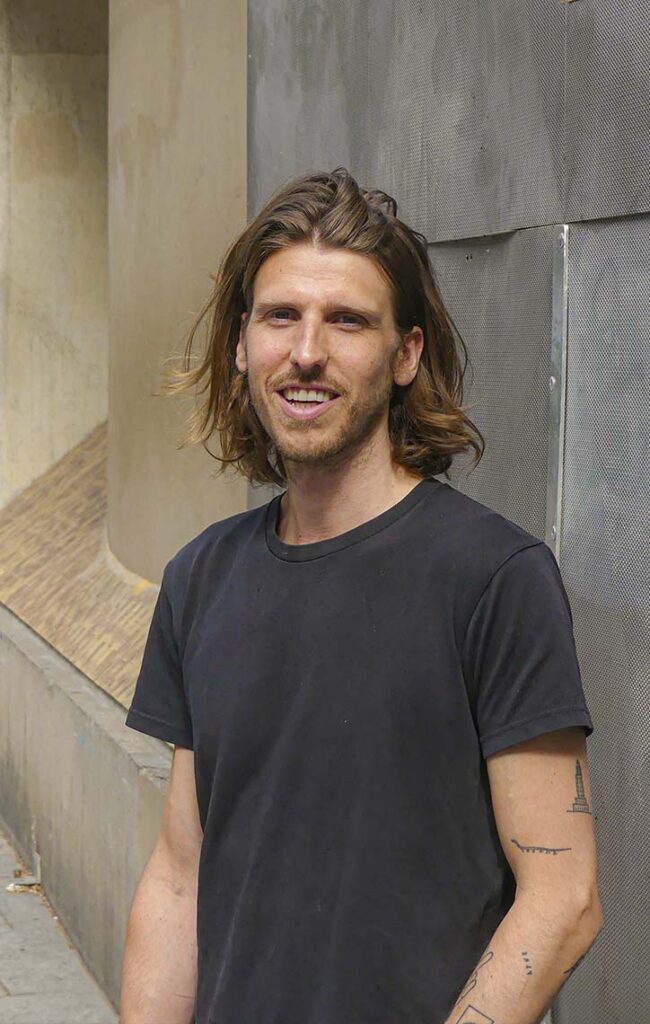
Jean-Baptiste Durand France
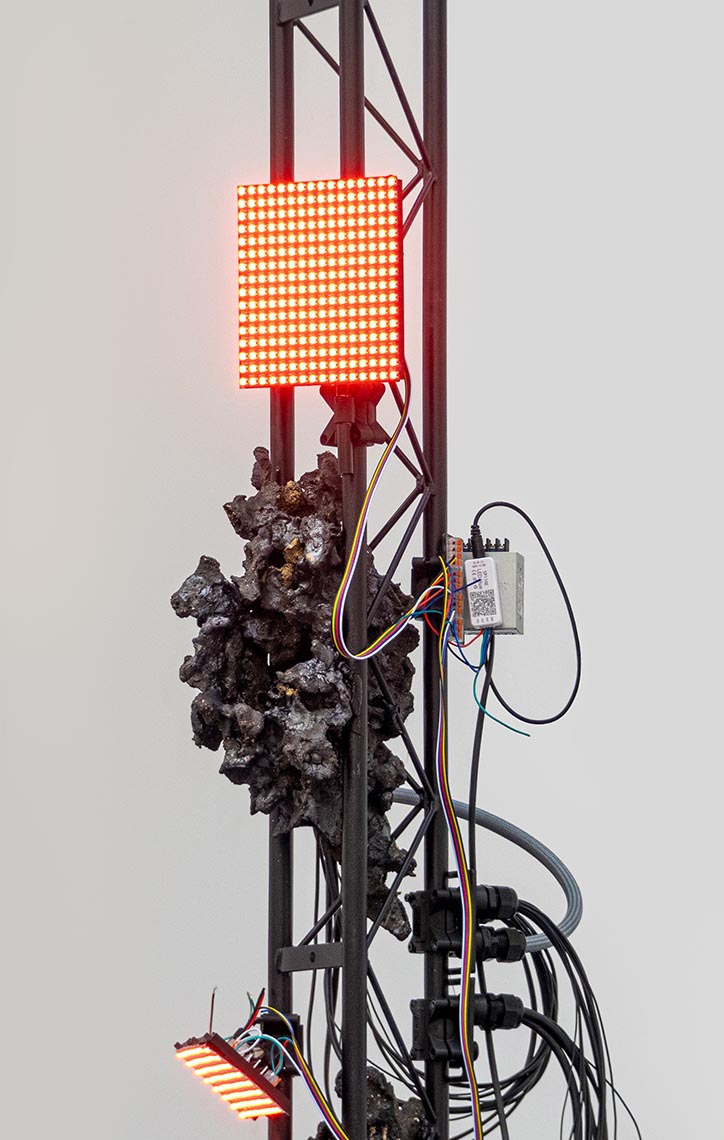
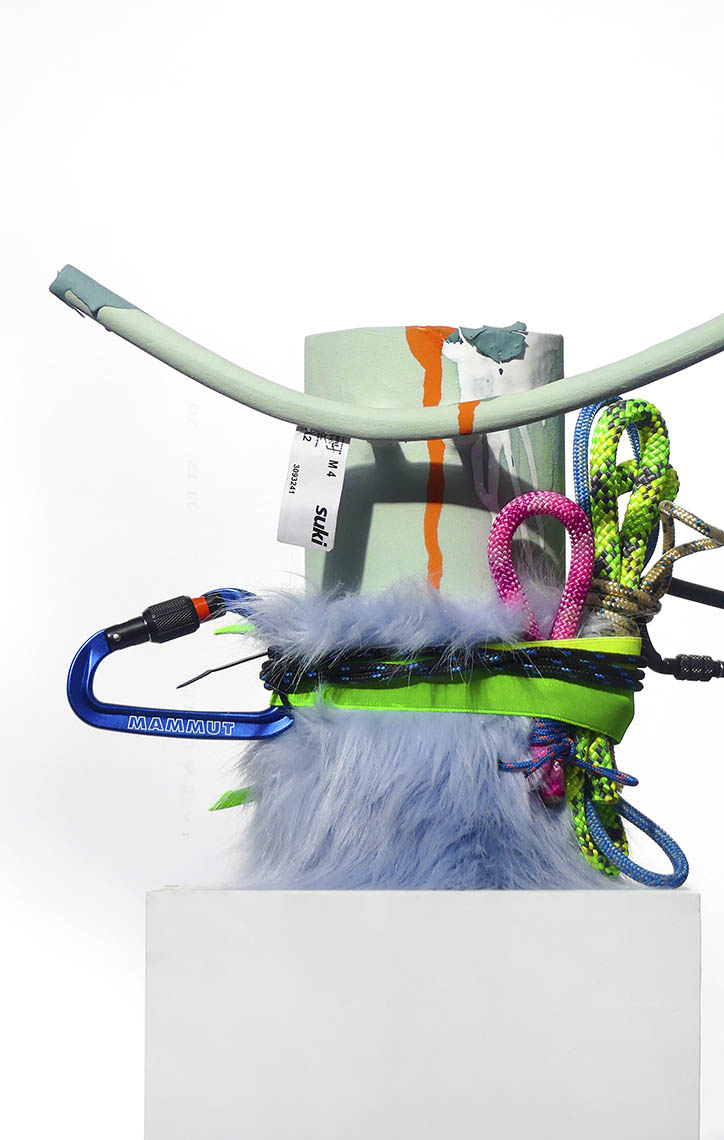
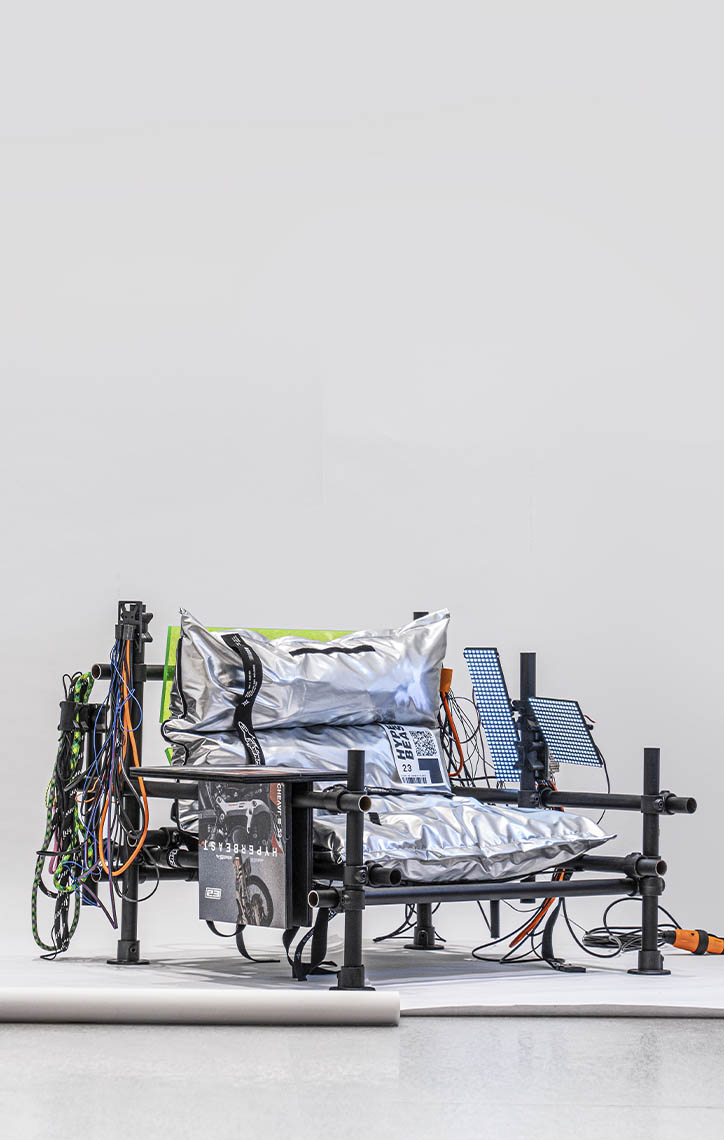
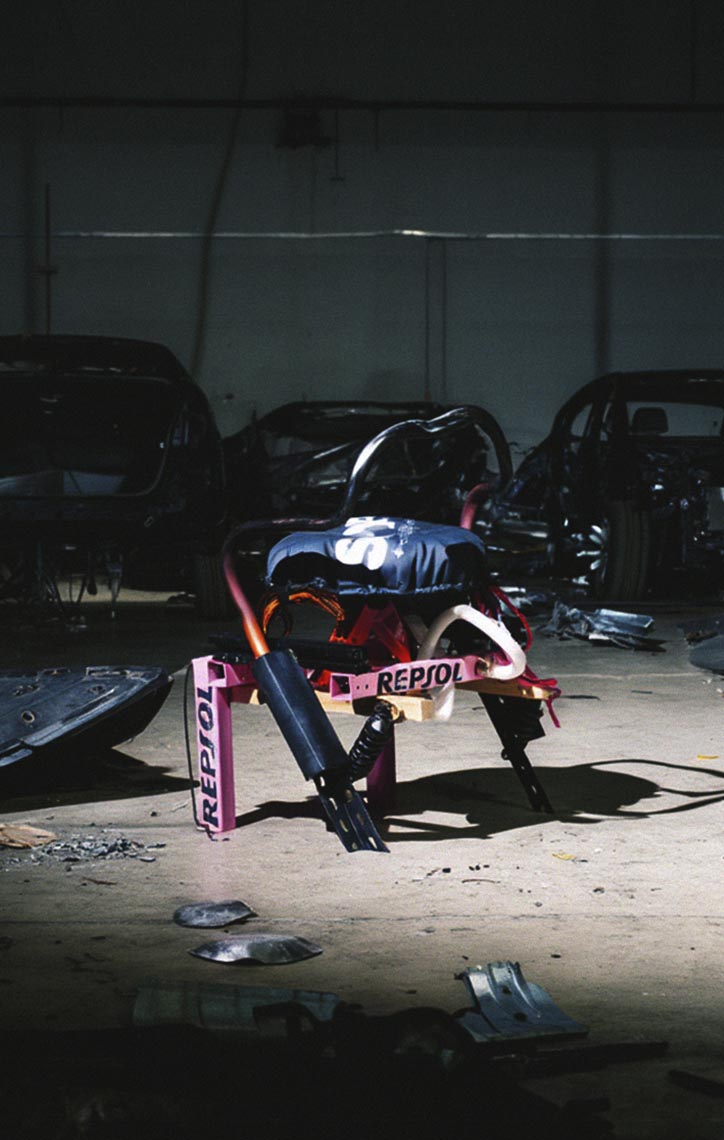
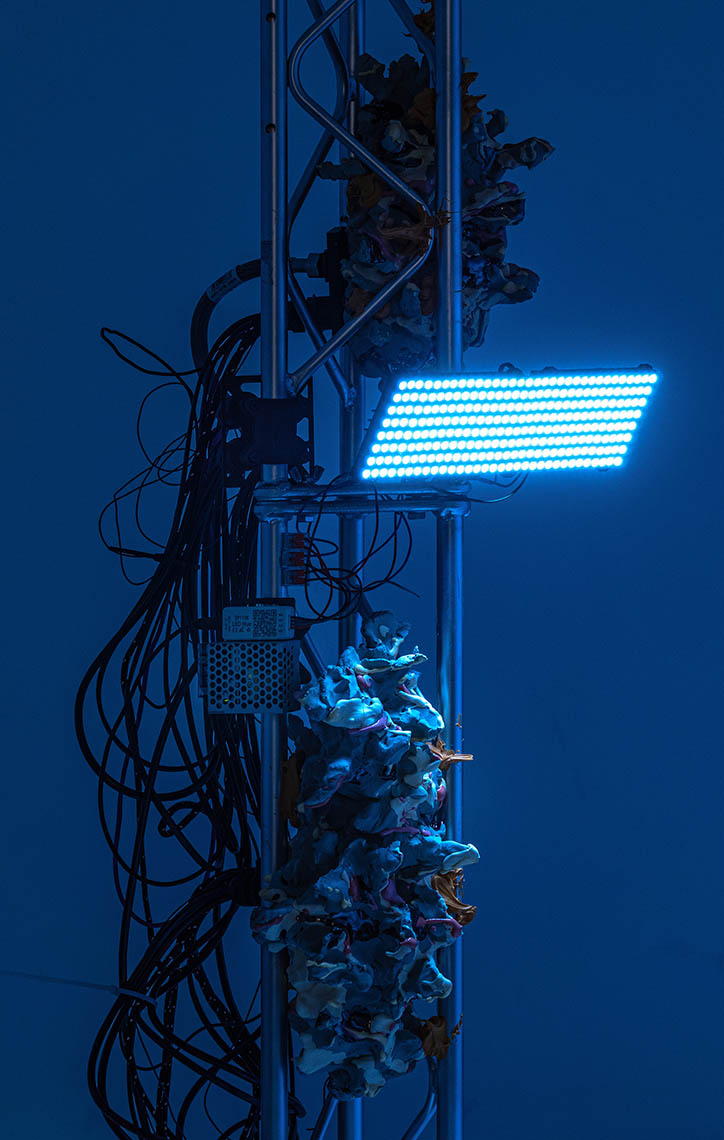
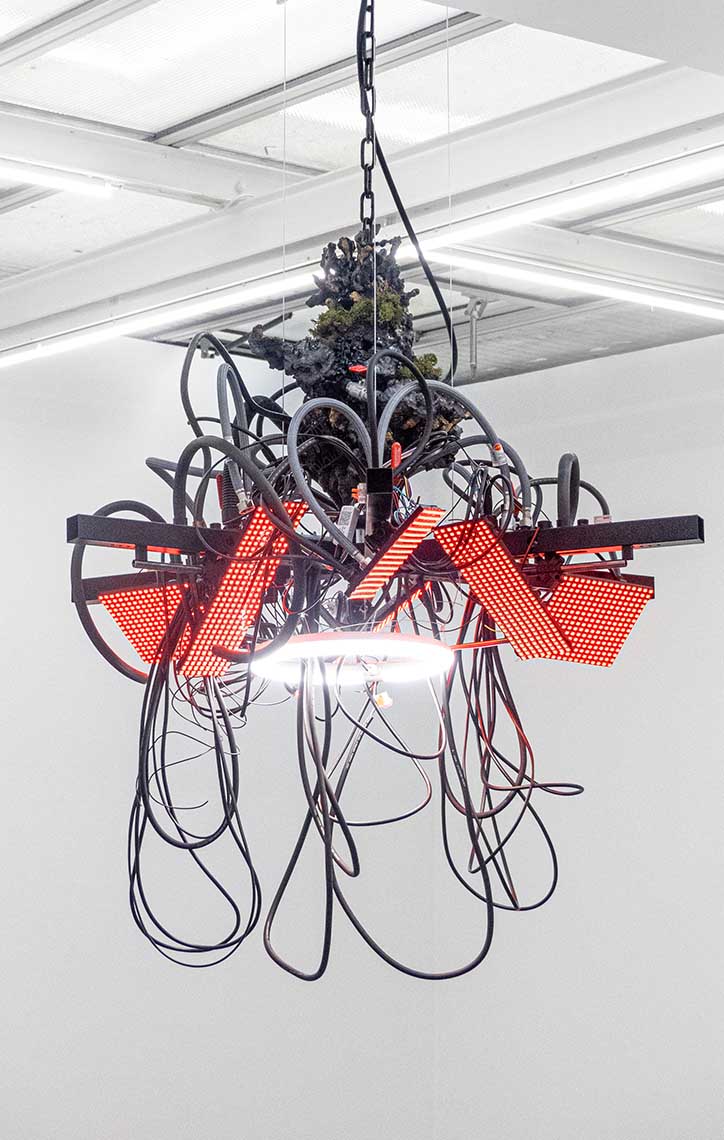
Jean-Baptiste Durand is a designer based in Paris. In his personal work, he explores the interplay between architecture, scenography, furniture, and non-utilitarian objects.
Drawing on a range of technical languages, from ancestral craftsmanship to contemporary technologies, he engages in a form of sampling, creating compositions that evoke these different realms. His practice seeks to move beyond conventional distinctions between designer and artist, allowing intuition and the inspiration of the moment to guide the work.
This openness is reflected in his refusal to be confined to a particular style or typology of object, and in his desire to explore the broad possibilities of creative expression. After an initial solo period marked by several recognitions, including the Rado Star Prize, Durand took a pause in his practice. He re-emerged during Design Week 2023, with a renewed approach characterised by a certain serenity, paradoxically sustained by a desire to remain naïve and open.
www.jeanbaptistedurand.com
L’atelier
Year 2300. Fossil fuels are no longer available. Our world once showed increasing signs of strain. Climate disruption, political instability, conflicts and resource depletion raised questions about the material future of our societies. Mass production has also declined. Global supply chains have faded, and objects are produced locally, using the materials and knowledge at hand. In this world, everyday artefacts belong to a transformed and more frugal society. What do they look like? How do they function? What forms and materials define the objects of a post-fossil future?
During this workshop, participants will imagine objects emerging from this narrative. Together we will explore the functions, forms and material compositions of speculative objects that could inhabit this world. These may act as witnesses to a possible future—traces of a society that has learned to live with fewer resources. Will new functions emerge? Will new forms arise out of necessity, or from deliberate choices?
While visions of the future often appear dark or anxious, this workshop also invites participants to imagine objects that bring optimism within a constrained context. Can objects provide comfort, resilience or even joy? Does a more frugal world necessarily imply a poorer one? What kinds of artefacts might help shape a different relationship with resources and production?
After a period of reflection and design, participants will explore the facilities of Boisbuchet and its surrounding landscape to collect materials and assemble low-tech systems for making. Remnants of electronic objects will also be available as a starting point for experimentation. Through these explorations, participants may begin to glimpse a possible aesthetic of the future—becoming, in a sense, archaeologists of anticipation, shaping a world to come, whether imagined as fragile, resilient, or unexpectedly joyful.