

Jean-Baptiste Durand (FR)
Year 2300: Post-Fossil Futures
12 juillet – 18 juillet 2026
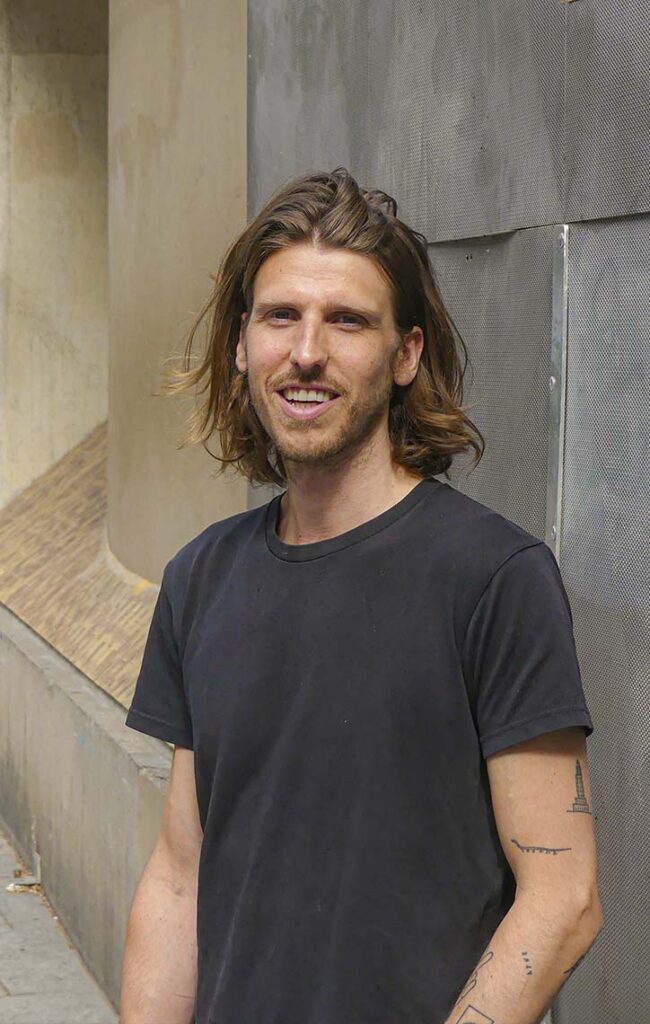
Jean-Baptiste Durand France
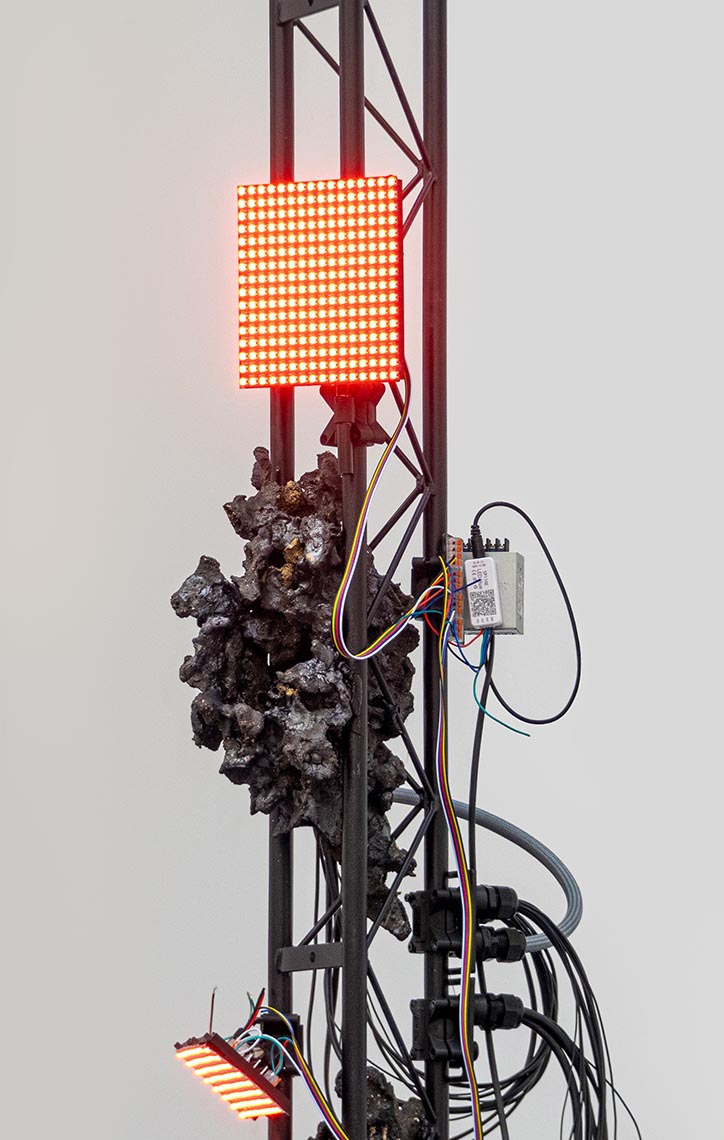
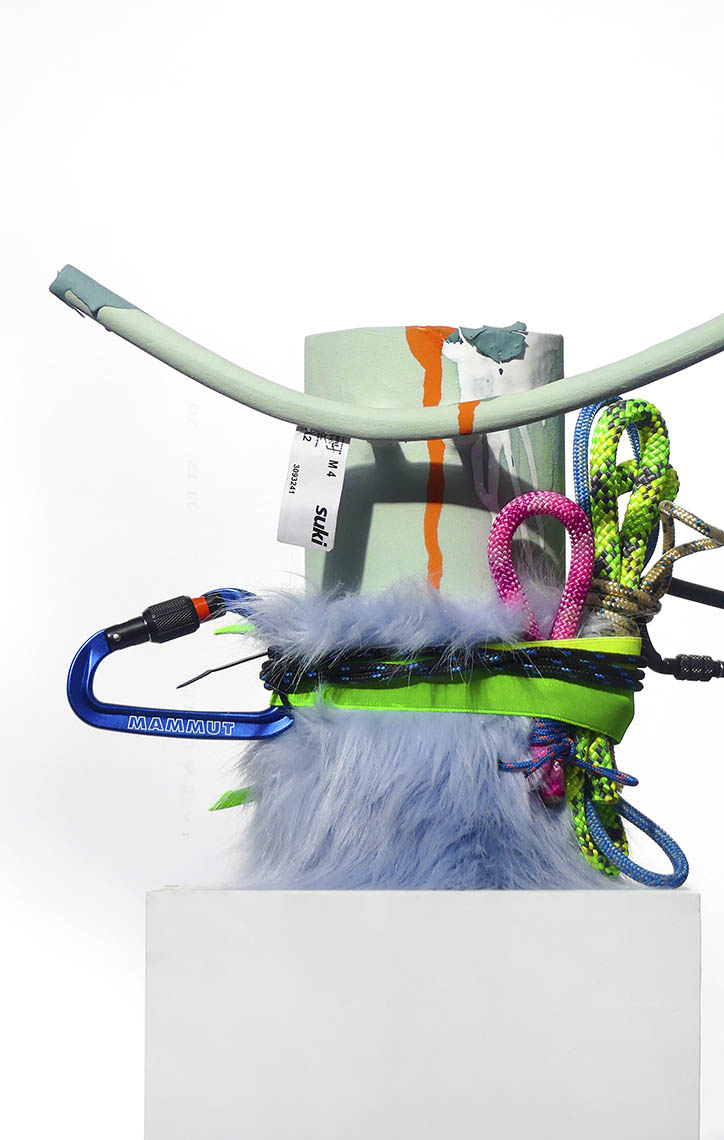
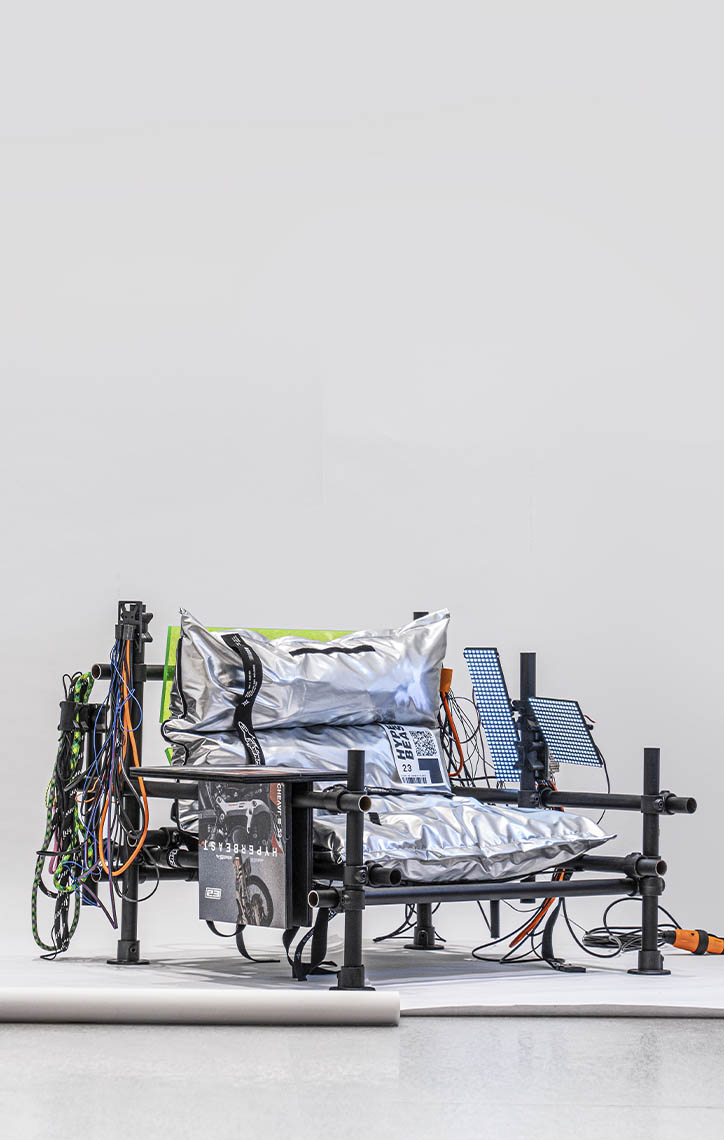
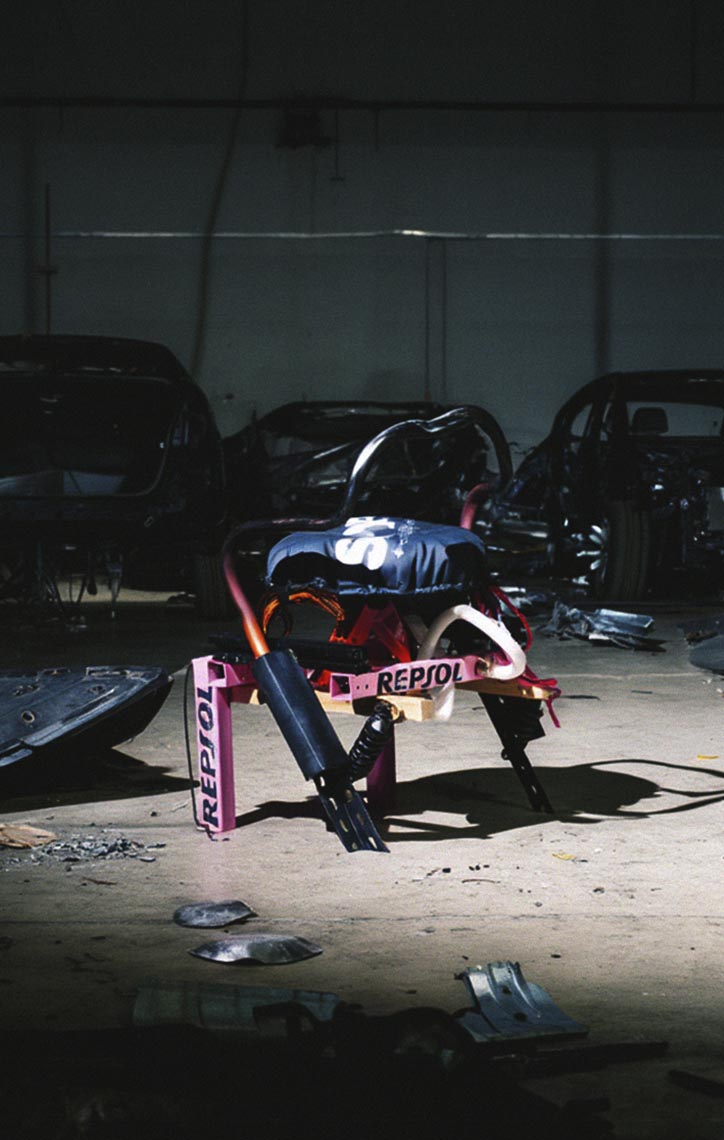
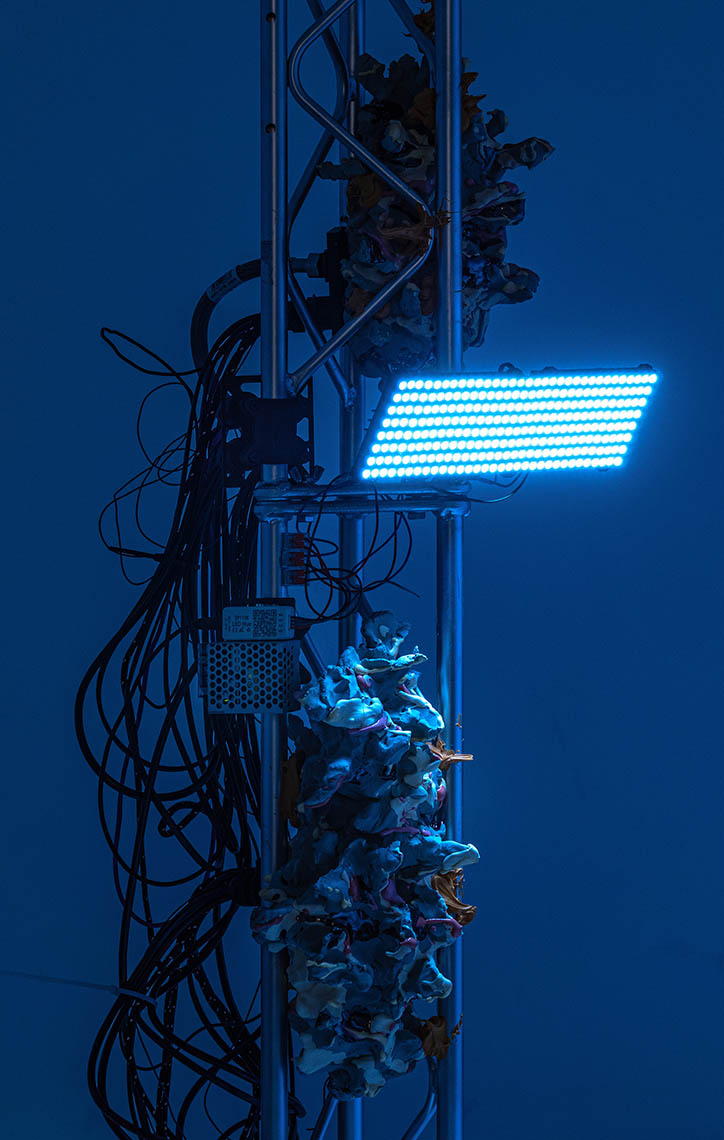
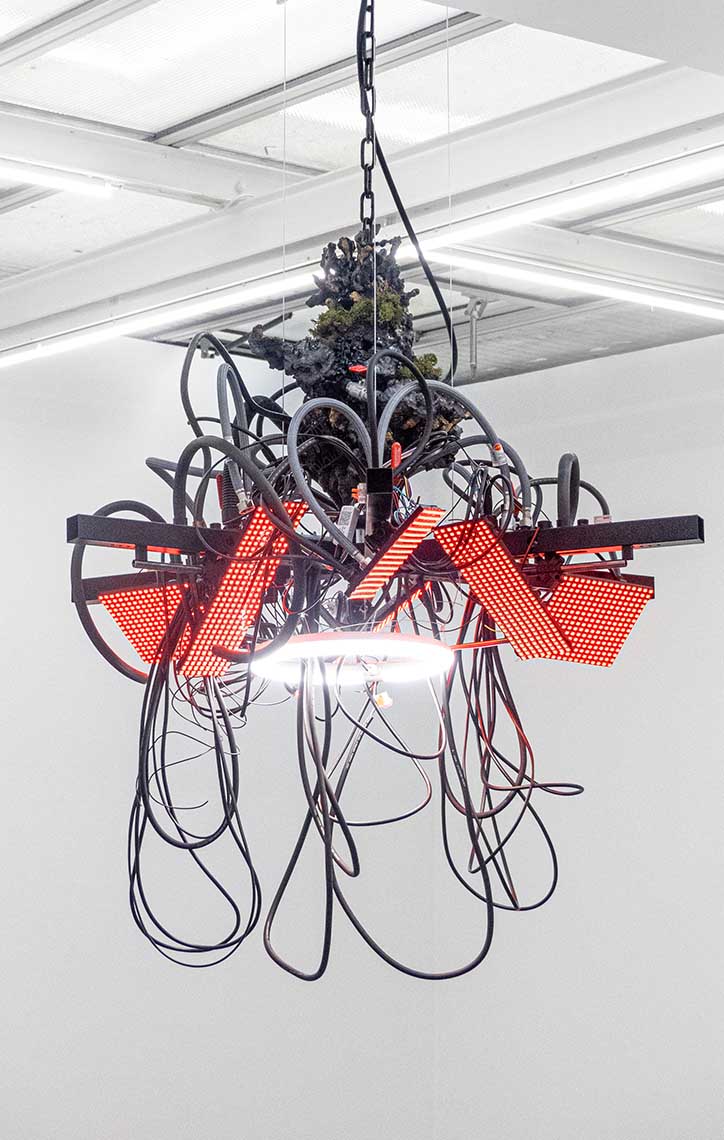
Jean-Baptiste Durand est un designer basé à Paris. Dans son travail personnel, il explore les interactions entre architecture, scénographie, mobilier et objets non utilitaires.
S’appuyant sur un large éventail de langages techniques, allant de l’artisanat ancestral aux technologies contemporaines, il pratique une forme de forme de prélèvement et d’assemblage, créant des compositions qui évoquent ces différents univers. Sa pratique cherche à dépasser les distinctions conventionnelles entre designer et artiste, laissant l’intuition et l’inspiration du moment guider son travail.
Cette ouverture se reflète dans son refus d’être enfermé dans un style ou une typologie d’objets particulière, ainsi que dans son désir d’explorer les vastes possibilités de l’expression créative. Après une première période en solo marquée par plusieurs reconnaissances, dont le Rado Star Prize, Durand a mis sa pratique en pause. Il est réapparu lors de la Design Week 2023 avec une approche renouvelée, caractérisée par une certaine sérénité, paradoxalement soutenue par le désir de rester naïf et ouvert.
www.jeanbaptistedurand.com
L’atelier
Année 2300. Les combustibles fossiles ne sont plus disponibles. Notre monde montrait autrefois des signes croissants de tension : perturbations climatiques, instabilité politique, conflits et épuisement des ressources posaient des questions sur l’avenir matériel de nos sociétés. La production de masse a également décliné. Les chaînes d’approvisionnement mondiales se sont effacées et les objets sont désormais produits localement, à partir des matériaux et des savoir-faire disponibles. Dans ce monde, les artefacts du quotidien appartiennent à une société transformée et plus sobre. À quoi ressemblent-ils ? Comment fonctionnent-ils ? Quelles formes et quels matériaux définissent les objets d’un futur post-fossile ?
Lors de cet atelier, les participant·e·s imagineront des objets émergeant de ce récit. Ensemble, nous explorerons les fonctions, formes et compositions matérielles de ces objets spéculatifs susceptibles d’habiter ce monde. Ils peuvent agir comme témoins d’un futur possible, traces d’une société ayant appris à vivre avec moins de ressources. De nouvelles fonctions émergeront-elles ? De nouvelles formes apparaîtront-elles par nécessité ou par choix délibéré ?
Alors que les visions du futur apparaissent souvent sombres ou anxiogènes, cet atelier invite également à imaginer des objets capables d'apporter de l'optimisme dans un contexte contraint. Les objets peuvent-ils offrir confort, résilience ou même joie ? Un monde plus sobre implique-t-il nécessairement un monde plus pauvre ? Quels types d’artefacts pourraient contribuer à redéfinir notre relation aux ressources et à la production ?
Après une phase de réflexion et de conception, les participant·e·s exploreront les installations de Boisbuchet et son paysage environnant pour collecter des matériaux et assembler des systèmes de fabrication low-tech. Des restes d’objets électroniques seront également disponibles comme point de départ pour l’expérimentation. À travers ces explorations, les participant·e·s pourront entrevoir une possible esthétique du futur, devenant, en quelque sorte, des archéologues de l’anticipation, façonnant un monde à venir, qu’il soit fragile, résilient ou étonnamment joyeux.