

BOISBUCHET RESIDENCY X AC/E
FUERZA MÍNIMA & BETIANA PAVÓN
May 25th – July 05 2026
Boisbuchet Residency 2026 – Supported by Acción Cultural Española (AC/E)
This opportunity supported by Acción Cultural Española enables emerging designers, Fuerza Mínima (Toni Llopis and Alejandro Seva) and Betiana Pavón, to undertake a fully-funded residency at Domaine de Boisbuchet from May 25 to July 5, 2026.
Domaine de Boisbuchet is an international research center for design and architecture. The campus is surrounded by 150 hectares of protected nature in southwest France and comprises an architectural park of historic and contemporary buildings. Residents may take advantage from all the Domaine’s facilities for work and accommodation, from its 150 hectares of forest, pasture, a river, a lake, and an unpolluted fauna and flora; from its architectural park, its vast library, archive and collection; and overall from its expertise and network after 30 years organizing workshops, events, exhibitions and many other cultural activities with institutions and people from all over the world. The residency program may be complemented by the usual series of activities held at Boisbuchet, such as exhibitions, guided tours, workshops, presentations, talks, discussions, conferences, and more.
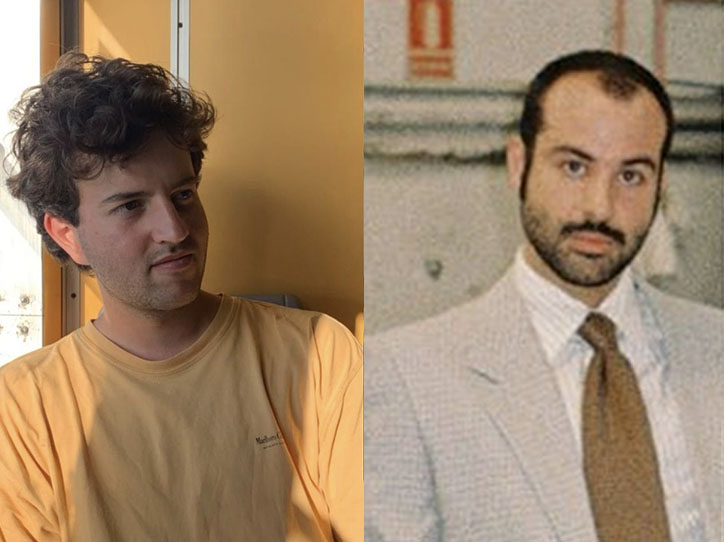
Fuerza Mínima (Toni Llopis and Alejandro Seva)
Fuerza Mínima is a research project focusing its practice on exploring how craftsmanship is in a process of transformation. By crossing trade and experimentation, they analyze the coexistence of traditional techniques and knowledge with new tools, materials, and sensibilities. Their work lies at the intersection of artisanal practice, research, and its relationship with other disciplines such as science, architecture, or anthropology.
Betiana Pavó
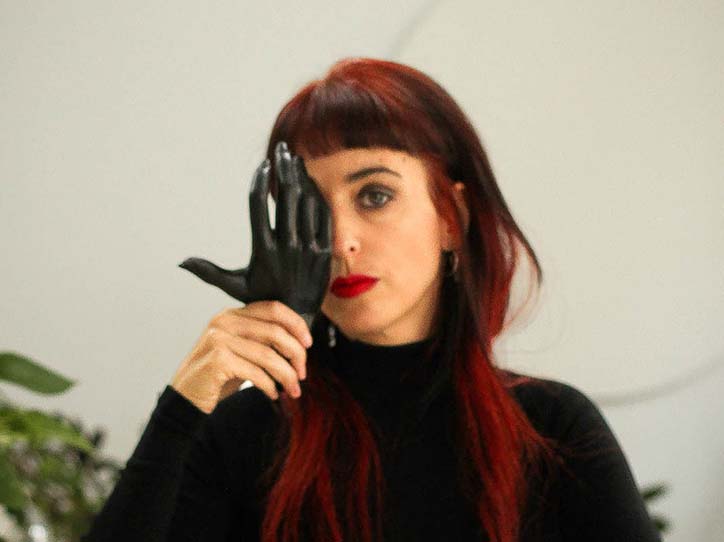
Betiana Pavón, a transdisciplinary artist, designer, teacher, and researcher. Her practice is situated at the intersection of bio-art, digital fabrication, and living materials, developing a language where craftsmanship dialogues with innovation and environmental awareness. She explores biomaterials and organic waste as vehicles for morphological construction, opening a space for critical and poetic reflection on our relationship with nature, cycles of transformation, and possible futures.
With the support of