

NUOVO GRAND TOUR
RICCARDO MONELLA
SEASON 2024
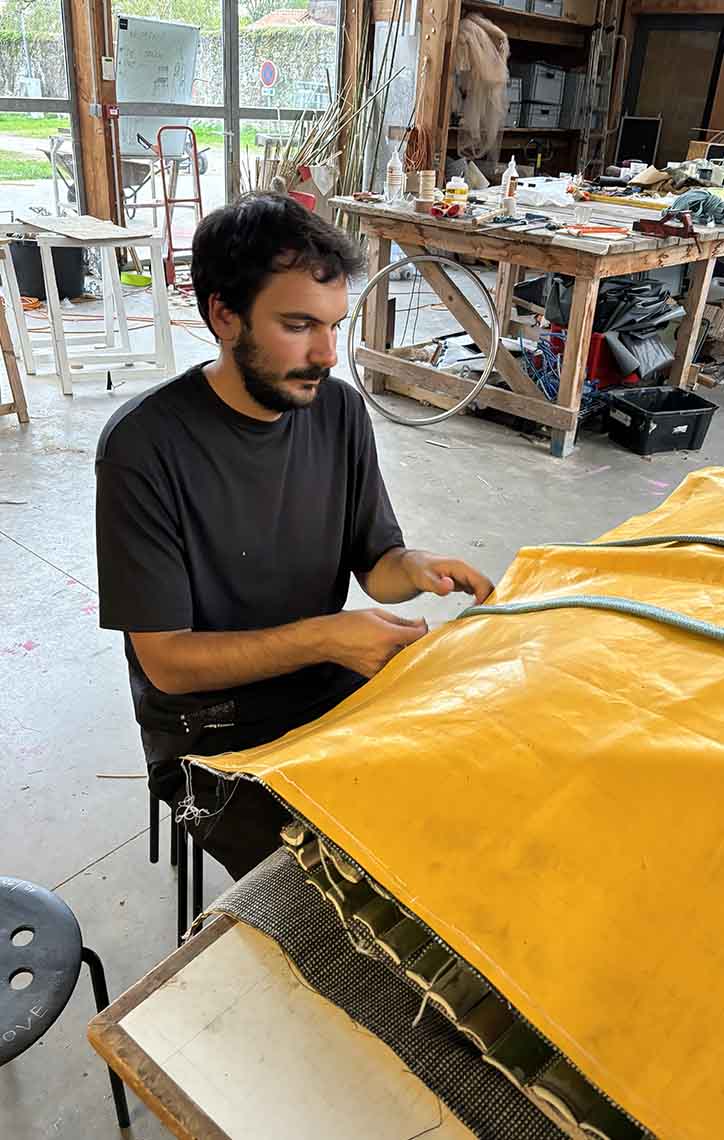
Riccardo Monella is an Italian architect, graduated from the Politecnico di Milano, whose research explores material reuse, new ways of inhabiting, and the dialogue between architecture, landscape, and the construction process.
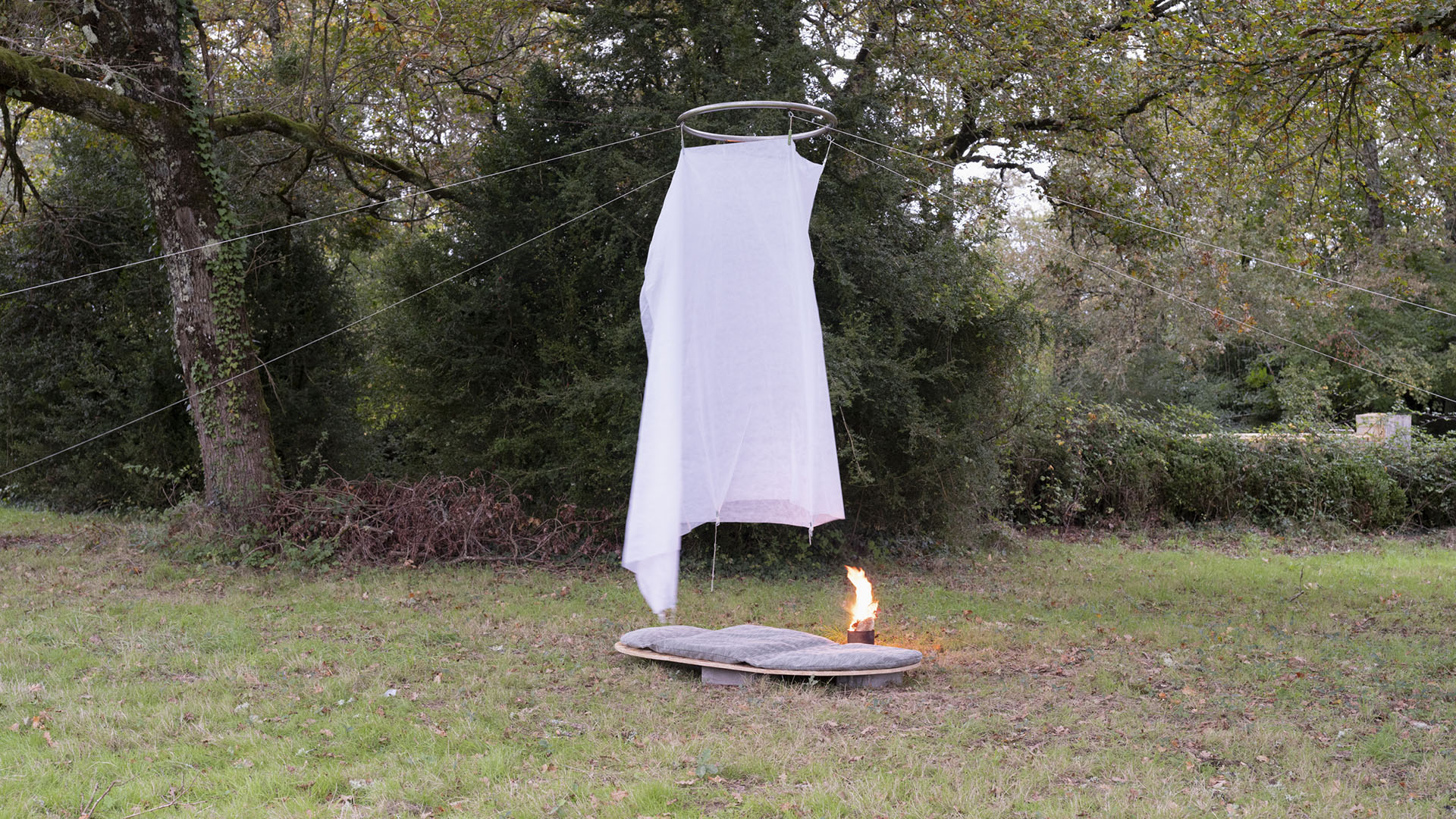
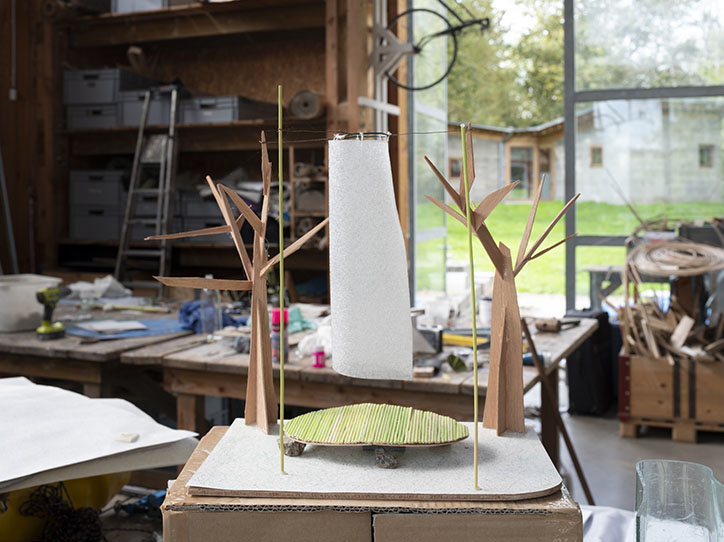
During his artist residency, he developed a project exploring the concept of the tea house, a space deeply rooted in Japanese tradition as a place of contemplation, reflection, and harmony. The Japanese tea house represents a setting where architecture and nature blend fluidly, creating an atmosphere of tranquility that allows one to connect with oneself and with the surrounding world in a profound and harmonious way.
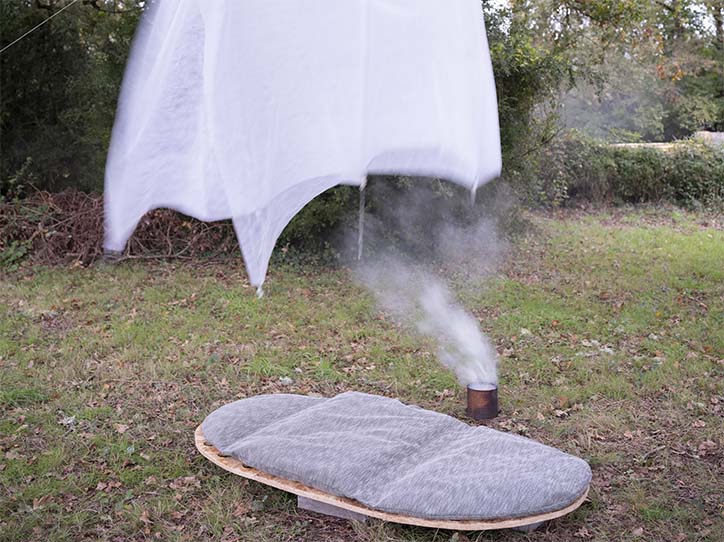
His project reinterprets this traditional concept through a contemporary lens, emphasizing the value of an essential and flexible space, one that responds to its context and to the passage of time while maintaining its core identity. In this sense, the project celebrates impermanence and the beauty of simplicity, central principles in Japanese architectural philosophy. Rather than conceiving boundaries as rigid barriers, his approach encourages permeability between interior and exterior, dissolving the lines between them and allowing nature to enter into dialogue with the built space, shaping it dynamically and fluidly.
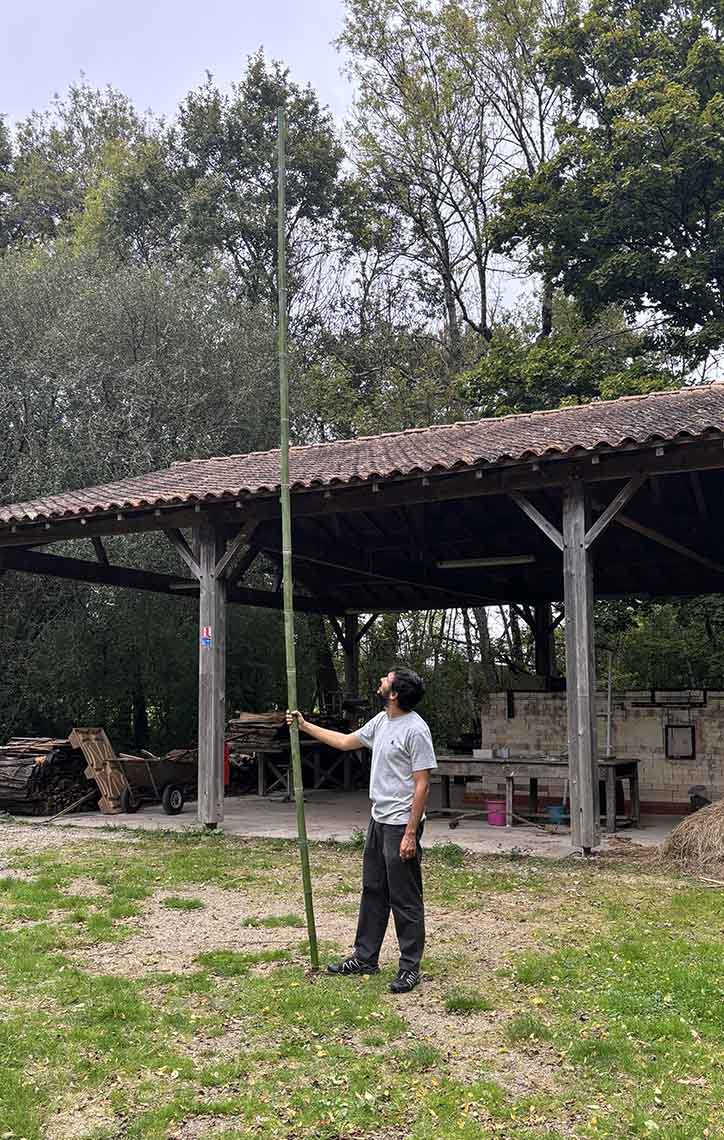
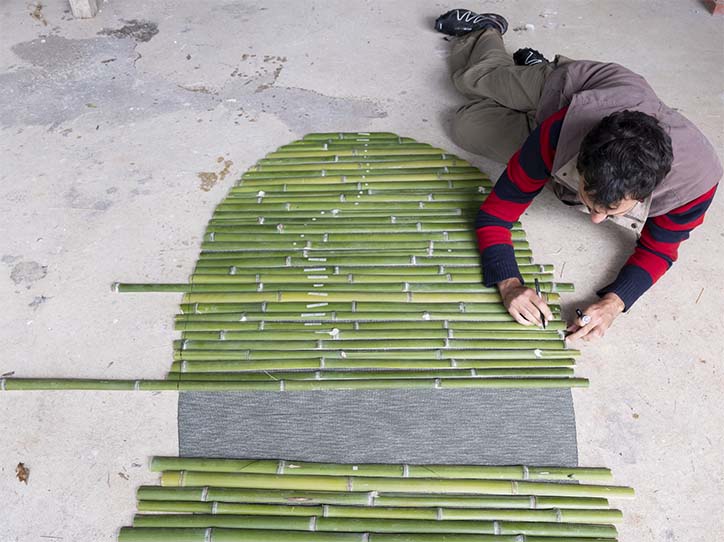
Each designed element was carefully selected to highlight the transient nature of materials and forms, reflecting the Japanese philosophy that embraces change and transformation. The elements composing the tea house define a clear and simple structure, designed to be easily assembled, disassembled, and even relocated, echoing the nomadic character of traditional Japanese architecture. This adaptability aligns with the history of Japanese tea houses, which have often been moved, adapted, and transformed, embodying a philosophy of temporality that does not seek the ephemeral but rather respects and celebrates the continuous flow of nature and its laws.
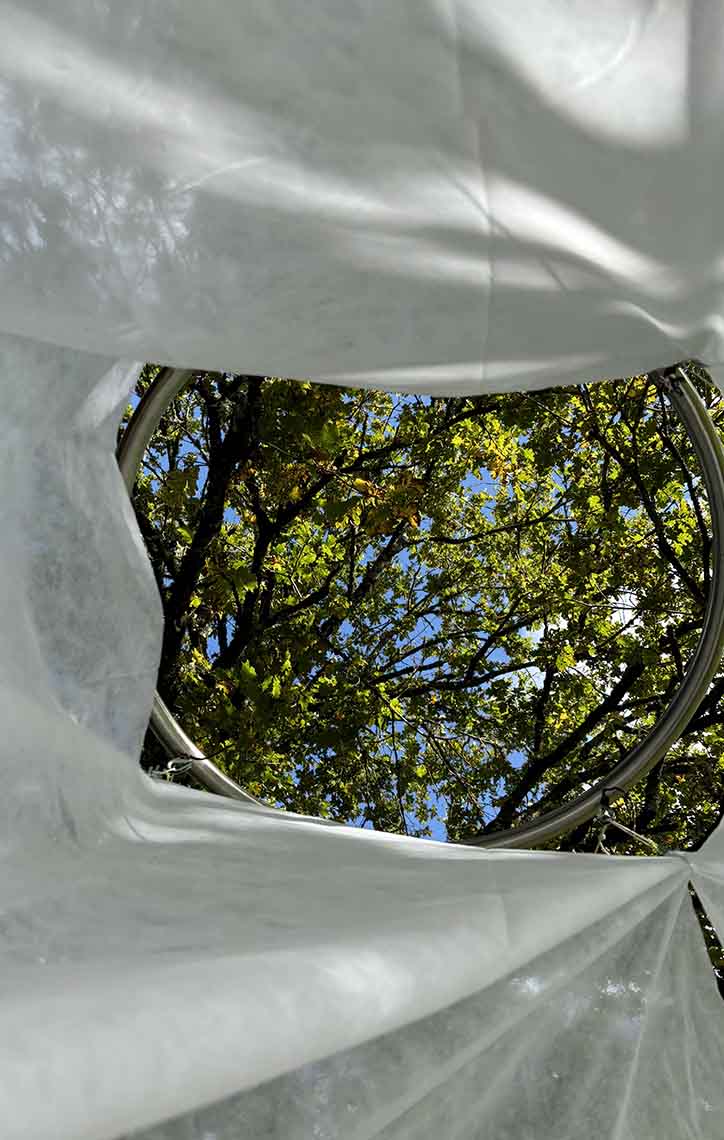
Through this project, Riccardo Monella also explored the relationship between space, light, seasons, and climate, in continuity with the Japanese architectural tradition that embraces natural elements. The design allows light to filter through the architecture in different ways throughout the day, generating shifting shadows and reflections that interact with the surrounding environment. This dialogue with nature is not merely visual but atmospheric, making each moment a unique experience enriched by seasonal changes and subtle climatic variations. It presents itself as a space in continuous evolution, where architecture adapts to the flow of time and seasons, cultivating a lasting harmony between human presence and natural forces. It stands as an invitation to inhabit the world in symbiosis, within a relationship of mutual influence and shared beauty.
The project proposes a vision of space as a living, pulsating entity, a place where the dissolution of rigid boundaries between inside and outside fosters a deeper connection with nature and the cycles of change that define the environment.
Photos : Riccardo Monella & Tommaso Mola Meregalli