

Johanna Seelemann (DE)
Objects for 72 Seasons
August 23rd – August 29th 2026
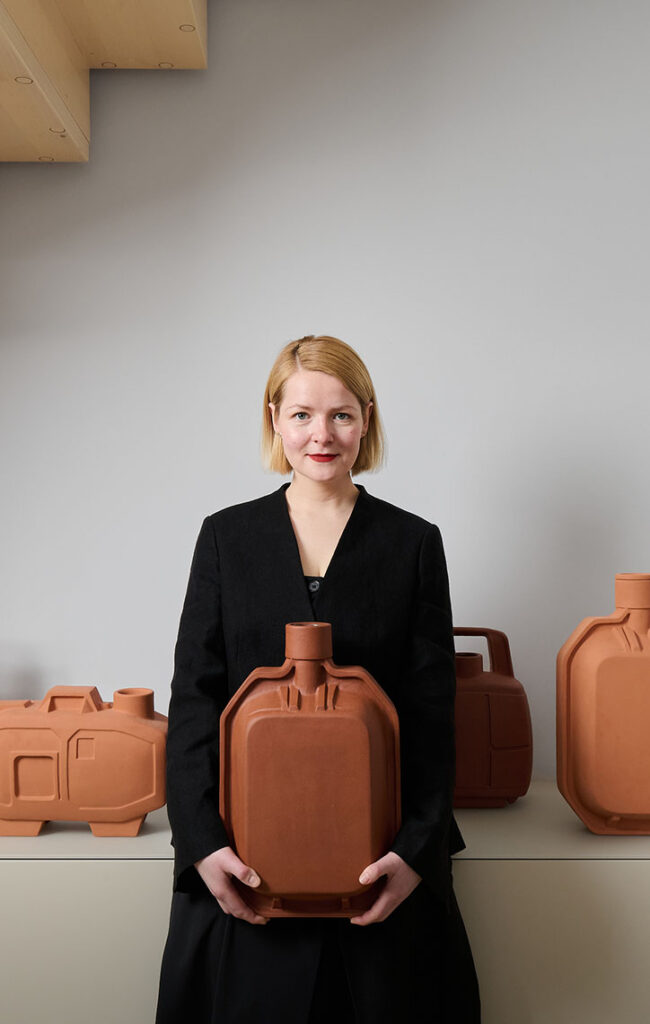
Johanna Seelemann Germany
Johanna Seelemann is a designer working between Reykjavík and Leipzig, with an international practice spanning product design, spatial installations, and strategic consultancy. Her studio collaborates with institutions, brands, and cultural organizations to bring rigorous thinking and material sensitivity to projects across scales — from objects to exhibitions to long-term design strategy.
Her work has been exhibited at the Design Museum London, V&A, and Villa Noailles, and Wallpaper* named her among the creative leaders expanding how design is practiced today. Recent nominations include the Icelandic Design Award 2025, the Dutch Design Awards Emerging Talent Award 2025, and the Ralph Saltzman Prize 2025 at the Design Museum London.
www.johannaseelemann.com
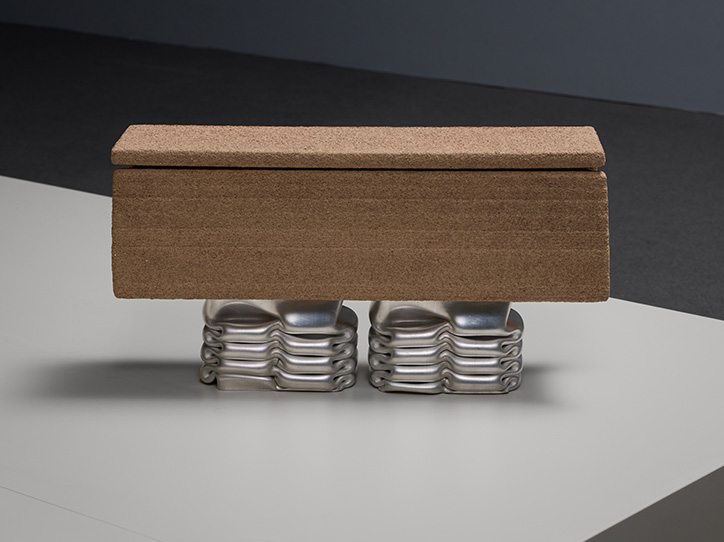
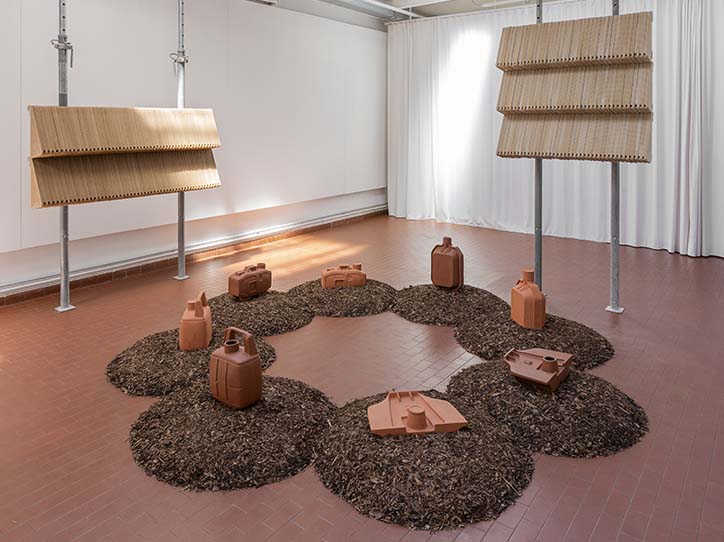
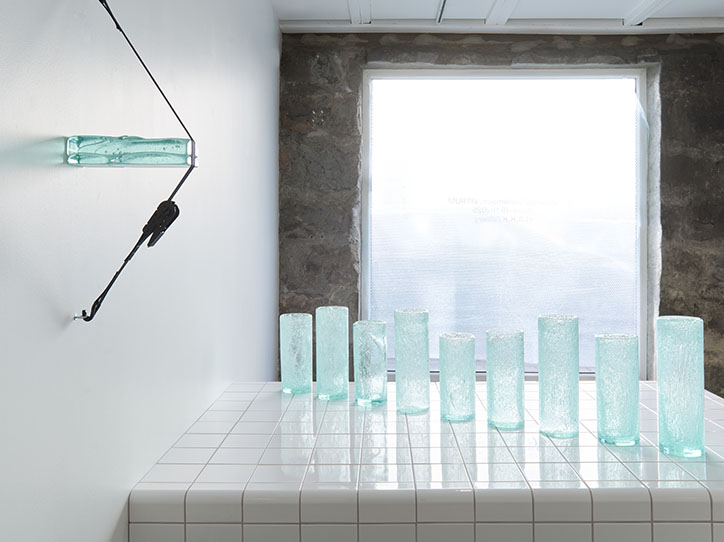
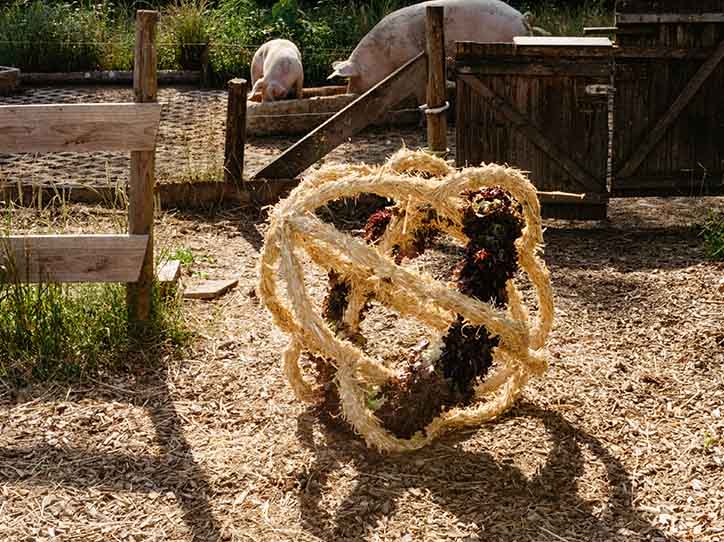
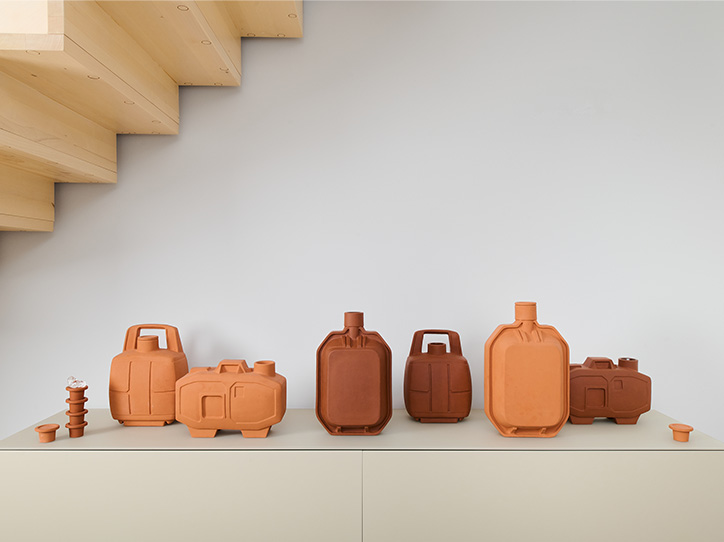
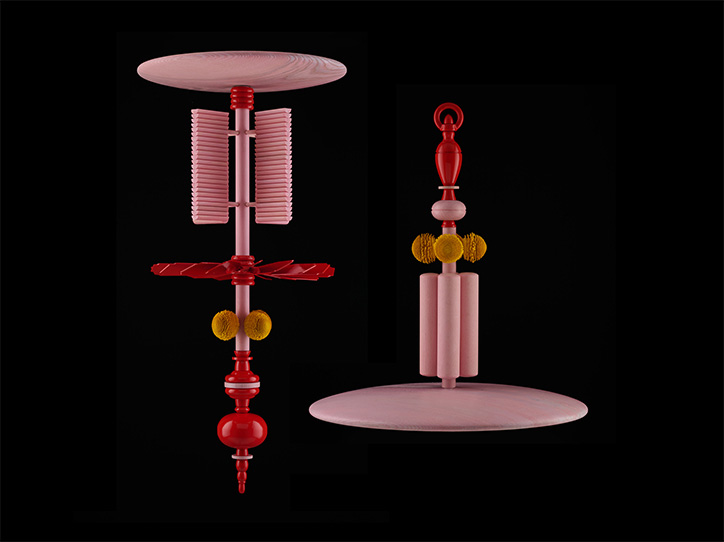
The Workshop
Everything we design expresses a relationship with the environments we inhabit. Today, designers increasingly recognise that objects influence not only human life, but also the ecosystems and species around them. This workshop explores how design can engage more closely with the rhythms of the natural world, embracing a more-than-human perspective.
Led by Johanna Seelemann, the workshop takes inspiration from subtle ecological shifts that occur throughout the year—such as the arrival of certain birds, the blooming of plants or the appearance of insects. In some traditional East Asian calendars, the year is divided into 72 short seasonal phases (kō), each lasting only a few days and marked by specific natural phenomena. These reveal that landscapes regenerate and decompose through rhythms far more subtle than the broad framework of our four conventional seasons. The workshop takes place when the summer heat begins to soften and the first signs of late summer emerge.
Participants will observe the ecological conditions unfolding during the workshop and use them as a starting point for design. Through walks, observation and material collection across the Domaine, they will develop objects and interventions responding to this specific moment in the environment. These may take the form of everyday tools, seasonal goods or temporary devices that mediate interactions between humans and other species.
Working with materials foraged on site, participants will experiment with techniques such as assembling, weaving and layering. The aim is to create objects that exist within cycles of use, decay and renewal, reflecting the living rhythms of the landscape. Making becomes a free, abundant and ongoing process—an act of participation rather than extraction.