

Philippe Rahm (CH)
A Dilated House
August 2nd – August 8th 2026
Philippe Rahm Switzerland
Philippe Rahm is a Swiss architect with a degree from the École Polytechnique Fédérale de Lausanne and a doctorate from the Université de Paris-Saclay, whose practice of PHILIPPE RAHM ARCHITECTES is based in Paris. His work, from the physiological to the meteorological, has received an international audience in the context of sustainability.
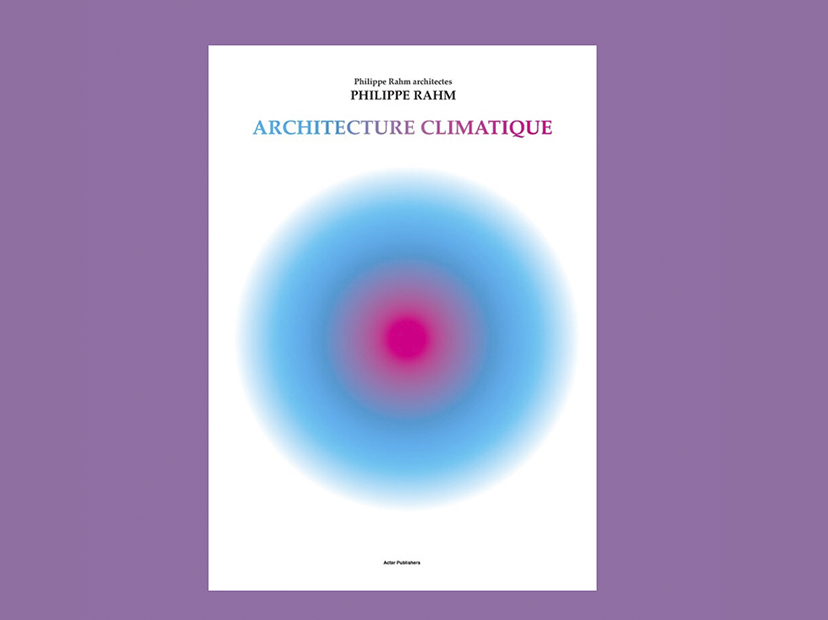
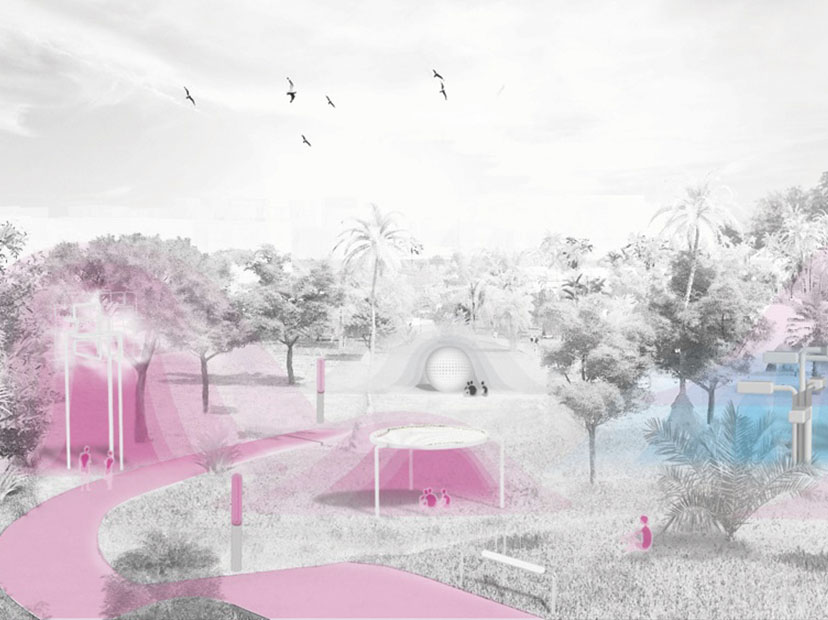
His projects include the Taichung Central Park in Taiwan, inaugurated in 2020 (with Mosbach paysagistes), a climatic urban studies for a new district of Aix-en-Provence in France in 2024 and a study for the implementation of 20 000 heat pumps on the roofs of the City of Geneva (2025). He authored the books Natural History of Architecture (2026), Climatic architecture and The Anthropocene Style (2023). He has taught at Harvard, Princeton and Columbia universities, HEAD – Geneva and ENSA Versailles.
He has taken part in numerous biennials, including those in Venice (2025), Tbilisi (2024), Madrid (2024), Chicago (2023) or Tallinn (2022). In 2025, he is co-curator of the Île-de-France and Saint-Etienne biennales. He is a knight of the Monaco Order of Cultural Merit and has been awarded the Silver Medal of the French Academy of Architecture. In 2025, he is co-curator of the Biennale of architecture in Versailles and the biennale of Design in Saint-Etienne.
www.philipperahm.com
The Workshop
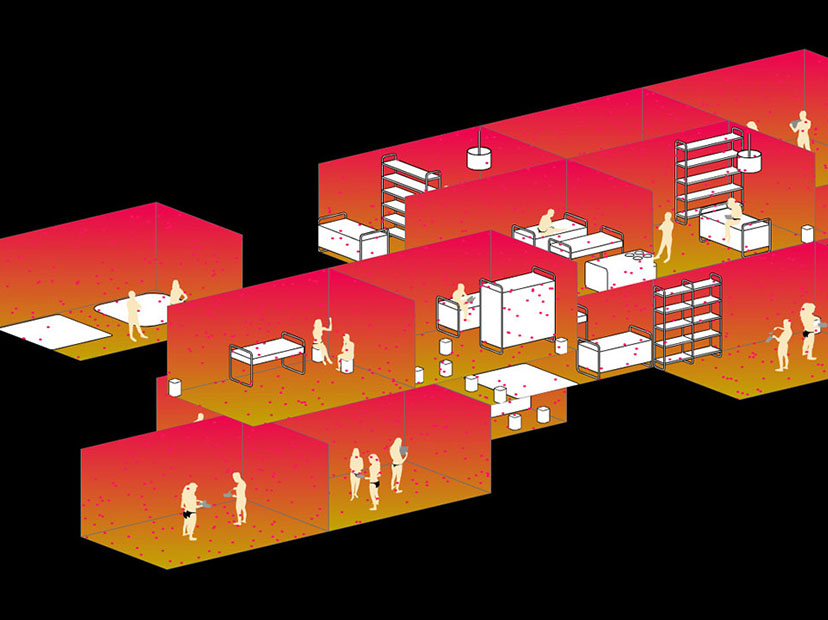
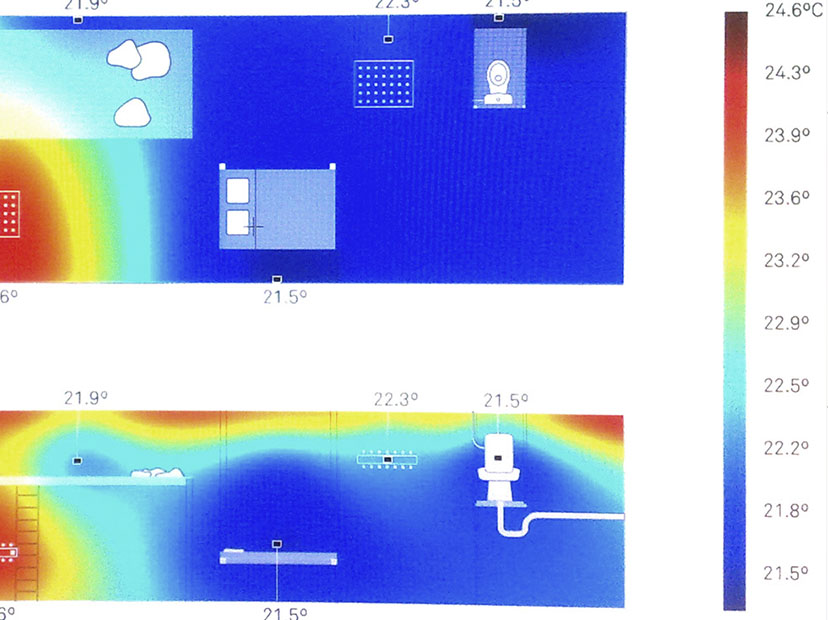
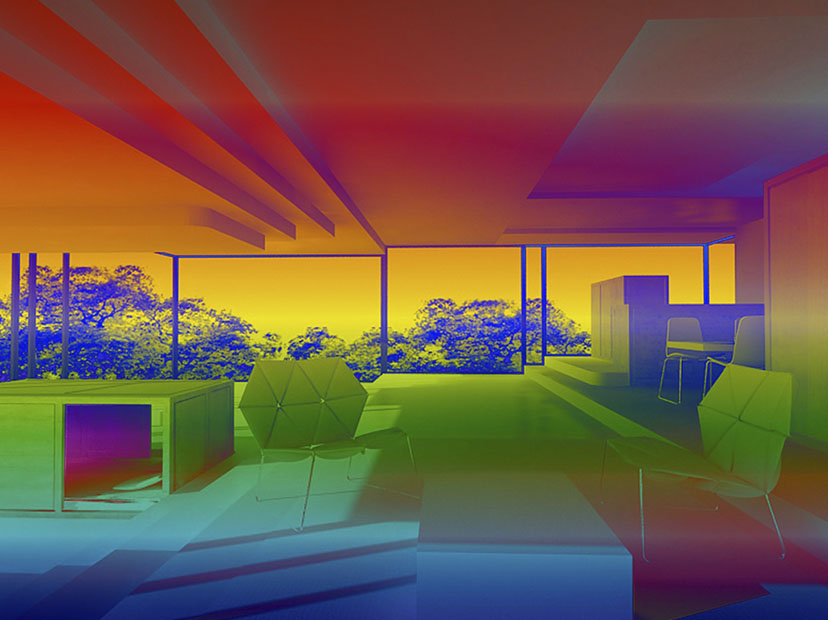
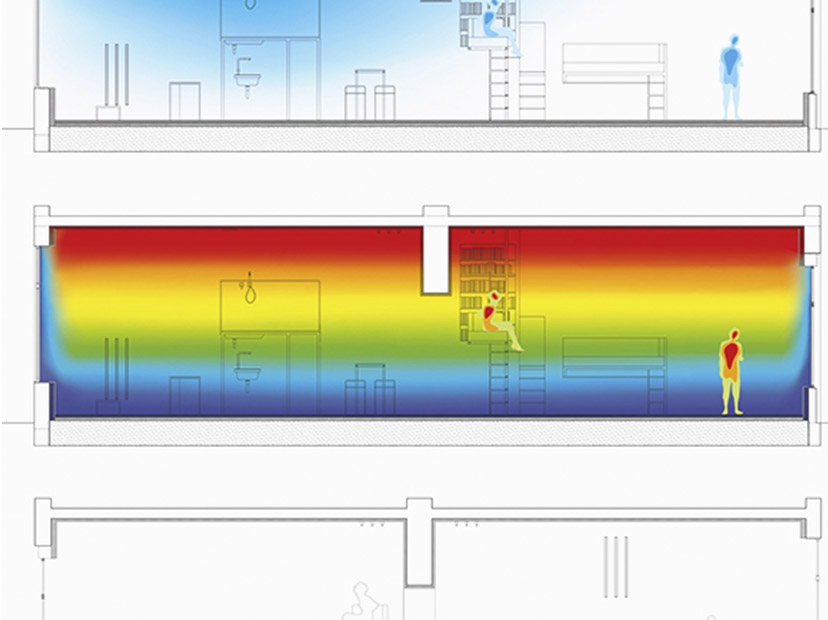
This workshop explores the idea of expanding the house across an entire site, scattering its rooms and functions into different locations rather than enclosing them under one roof. Echoing a thought attributed to Georges Perec—imagining a living room in one district, a bedroom in another, a bathroom elsewhere—the house becomes a dispersed constellation of spaces, each chosen for its specific environmental qualities. The thresholds between rooms are no longer a few centimeters thick but extend across meadows, forest edges, and open landscapes. Living, working, resting, and eating take place in distinct microclimates, selected according to time of day, season, and activity.
Traditionally, domestic functions—bedroom, kitchen, bathroom, living room—are compressed into a single volume and oriented according to light and views. In this workshop, we reverse this logic: rather than adapting a building to the site, we dissolve the building into it. The environment itself becomes the final architectural envelope, filtering light, retaining or releasing humidity, protecting from wind, warming or cooling depending on location and time. Breakfast might take place in the meadow, work in the shade of the forest, evening rest at its edge—each situation defined by climatic conditions rather than walls.
Working across the Domaine de Boisbuchet estate, participants will first conduct a climatic study of the site, measuring air temperature, sunlight, wind, and humidity, and mapping their variations. Based on these observations, they will select specific locations for different domestic programs according to times of day—morning, noon, afternoon, evening, and night—and design architectural elements and furniture to enable inhabitation in each context. The workshop will culminate in the construction and installation of these dispersed “rooms” across the landscape, forming a dilated house defined not by enclosure, but by climate.